Faucet and fixture repair
Fixture repair covers dripping faucets, leaking shower valves, low water pressure at a fixture, leaks under sinks and garbage disposals. Many drips are fixed with a new cartridge or washer; older or corroded fixtures are often replaced.
- Fast callback on emergency requests
- Independent local plumbers that serve your ZIP
- Burst pipes, drains, water heaters and fixtures
- Free to call; the plumber quotes before work starts
A drip from the spout is usually a worn cartridge, washer or seal. A leak under the sink is often a supply line, a loose drain connection or a failing shutoff valve. Low pressure at a single fixture usually means a clogged aerator or cartridge, while low pressure everywhere points to the supply pipes or the pressure regulator.
Braided supply hoses to faucets, toilets and washing machines are worth checking every few years. If low pressure is affecting the whole house, see repiping.
Faucet and Fixture Repair at a glance
- What it is
- Fixture repair covers dripping faucets, leaking shower valves, low water pressure at a fixture, leaks under sinks and garbage disposals.
- Urgency
- Soon. Start within a day or two.
- Typical steps
- Diagnose → Repair → Replace if needed → Test
- Who does it
- An independent, local plumber
Signs
When you need faucet and fixture repair
- A faucet or showerhead that drips when off
- Water or stains in the cabinet under a sink
- Low pressure at one fixture
- A shower that won't hold a steady temperature
- A garbage disposal that hums, leaks or won't turn
Process
What the crew does
- 1
Diagnose
The plumber finds the worn part, loose connection or clogged component.
- 2
Repair
Cartridges, washers, supply lines and shutoff valves are replaced as needed.
- 3
Replace if needed
Old or corroded fixtures are swapped for new ones you pick.
- 4
Test
Everything is run and checked for leaks and steady pressure.
Timeline
How long faucet and fixture repair typically takes
Service duration varies with job scope, but visits typically proceed across three structured stages from initial diagnosis to completion.
Stage 1 · Arrival & Diagnosis
30 to 60 minutes
System isolation, electronic diagnostic or acoustic inspection, and presenting written repair options.
Stage 2 · Active Repair
1 to 4 hours
Replacing defective pipe runs, installing new fixtures or components, and rebuilding fittings.
Stage 3 · Testing & Sign-off
20 to 30 minutes
Full system repressurization, leak check under working pressure, cleanup, and warranty walkthrough.
Before and after
What the result can look like
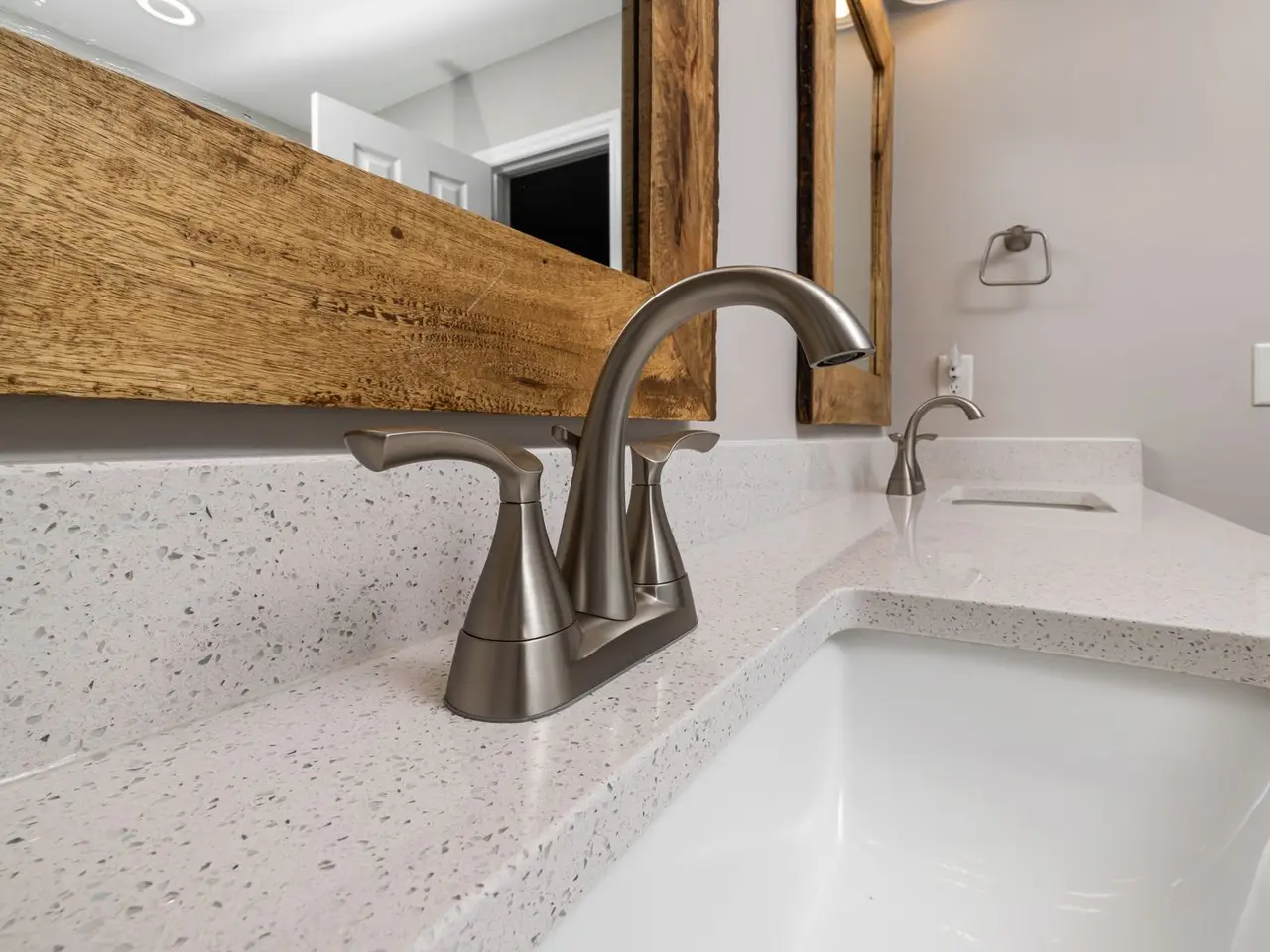
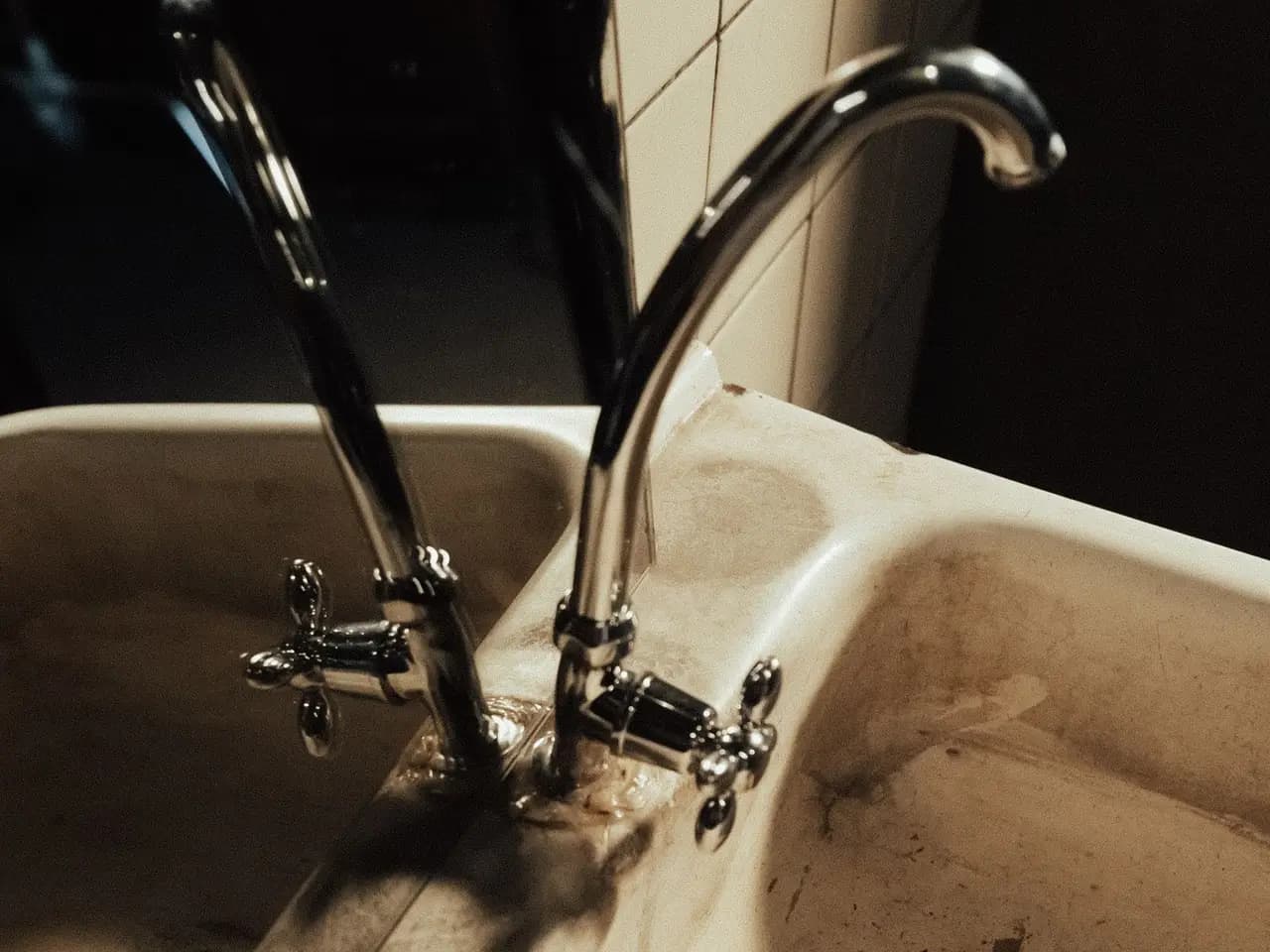
Sink and faucet
Worn fixture and leaking supply lines out, new faucet, shutoffs and drain in.
Illustrative example using stock photos, not a job by a contractor in our network.
Cost
What affects the price
Every job is scoped on site. These are the factors that move the number.
- Repair parts versus a new fixture
- Finding parts for older or discontinued fixtures
- Shower valves inside the wall
- Seized or corroded shutoff valves
Before the crew arrives
What you can do, and when to stop
Safe to do
- Clean or replace a clogged aerator
- Turn off the shutoff valves under the sink before any work
- Tighten a loose drain slip nut by hand
- Reset a jammed disposal with the hex key and reset button (power off)
Stop and call if
- The shutoff valve won't close or is leaking
- A shower valve leaks inside the wall
- The cabinet floor is soft or moldy
FAQ
Faucet and Fixture Repair questions
What plumbing fixtures can be repaired or rebuilt?
Plumbers repair and rebuild kitchen faucets, bathroom vanity faucets, tub spouts, pressure-balanced and thermostatic shower valves, laundry sink fixtures, outdoor hose bibs, and garbage disposals.
When should a dripping faucet or fixture be replaced rather than repaired?
Replace fixtures when internal valve bodies show heavy pitting or mineral corrosion, when replacement cartridges or stem parts are obsolete, or when the cost of replacement parts approaches the price of a modern fixture.
What are the early warning signs of fixture and valve failure?
Warning signs include water dripping from spouts when off, stiff or squeaking handles, reduced flow rate from aerator clogging, temperature fluctuations in showers when other taps open, and damp stains inside sink cabinets.
How does a plumber repair a leaking shower or sink valve?
The plumber shuts off water supply stops, removes handle trim, extracts the worn cartridge, ceramic disc, or O-ring assembly with specialized pullers, flushes sediment from the valve body, lubricates seals with silicone grease, and installs new OEM parts.
What factors influence the cost of fixture repair or installation?
Costs depend on fixture type (simple deck-mount faucet versus in-wall concealed shower valve), accessibility of shutoff valves, whether corroded supply lines require replacement, and whether tile or wall cutting is necessary.
How long does a fixture repair or replacement take?
Replacing a faucet cartridge or rebuilding a kitchen faucet takes 30 to 60 minutes. Replacing a concealed behind-the-wall shower mixing valve typically takes 2 to 3 hours.
What should I do if a shutoff valve under my sink won't turn off?
Do not force or overtighten seized plastic or metal handles, which can snap the stem. Locate and shut off your home's main water valve, and have the plumber replace the seized angle stops with quarter-turn ball valves.
Why does my shower lose hot water or change temperature suddenly?
This is usually caused by a worn pressure-balancing spool or thermostatic cartridge inside the shower valve, which fails to balance cold and hot incoming pressure when another fixture is operated.
What are the advantages of quarter-turn ball valves over multi-turn gate valves?
Quarter-turn ball valves use a solid brass ball with Teflon seats that rarely seize, resist mineral scale, and provide unambiguous visual confirmation of open versus closed positions with a single 90-degree lever throw.
What should I confirm with a plumber before fixture work begins?
Confirm whether they supply the replacement faucet or if you need to purchase your preferred design in advance, ask about labor warranty on cartridge replacements, and verify they test for leaks under full pressure.
Available in 51 states
Related
Related services
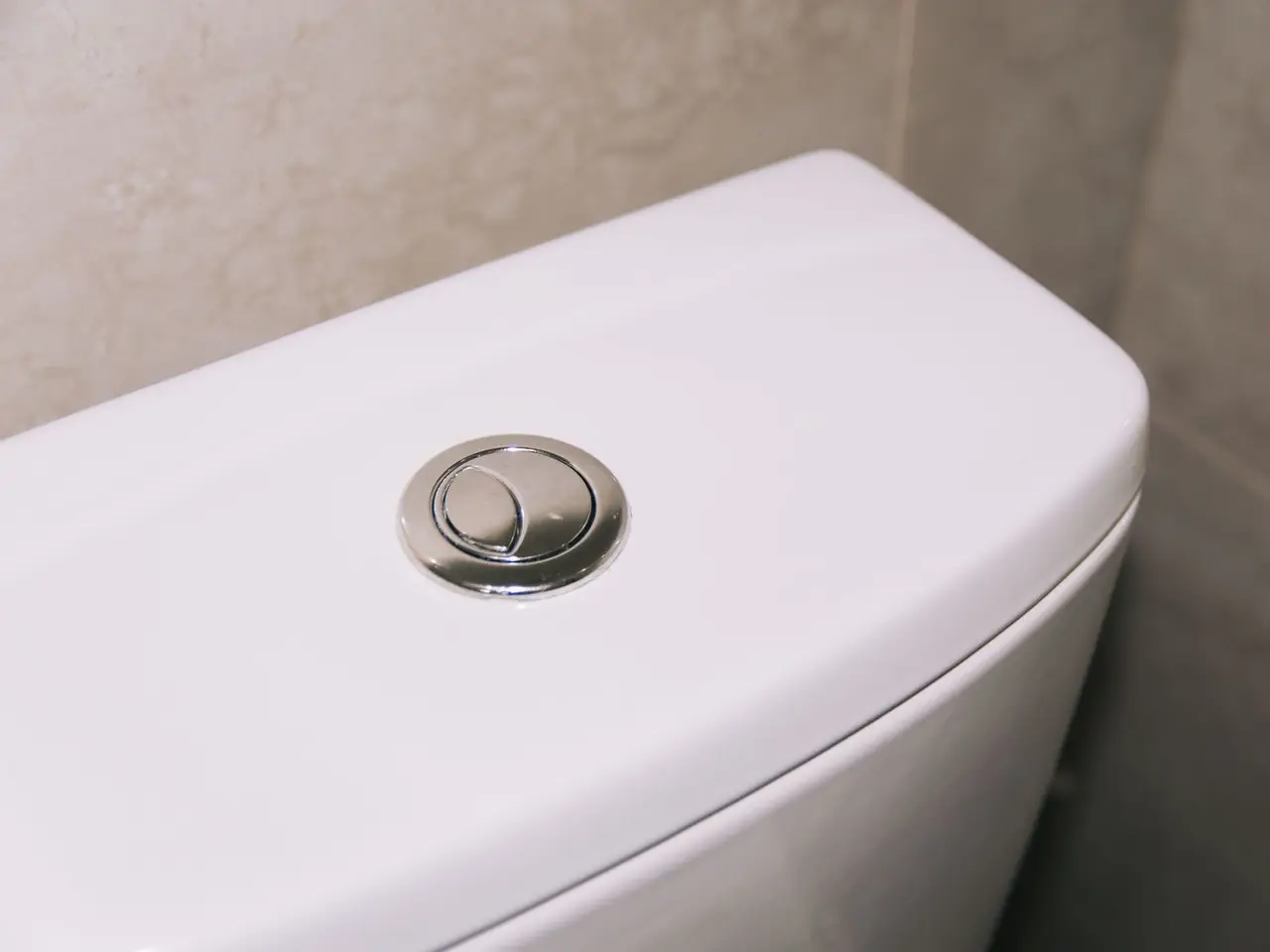
Toilet Repair
Most toilet problems come from a worn flapper, a faulty fill valve, a failed wax ring or a clog.
Learn more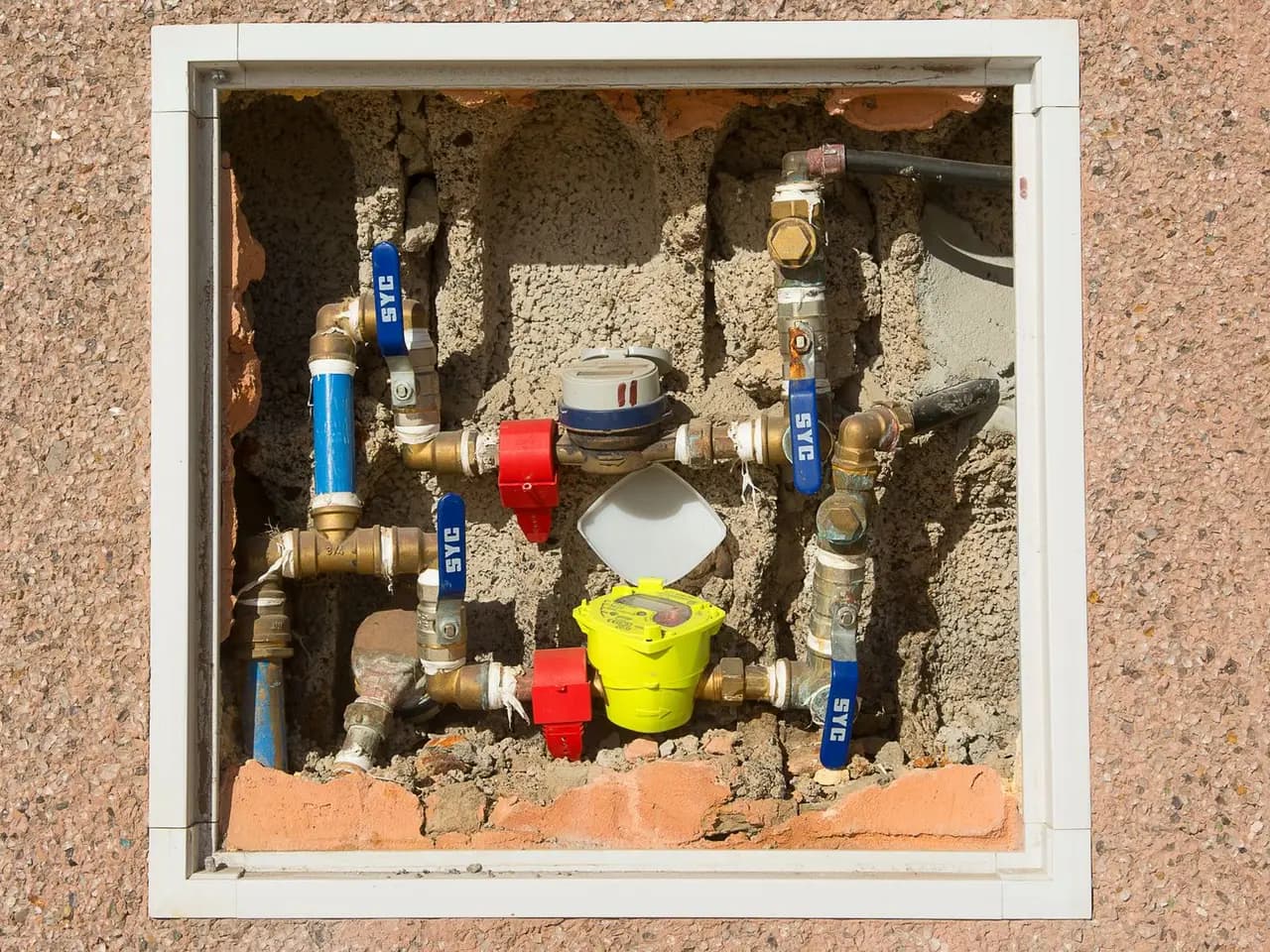
Leak Detection
Leak detection finds water escaping inside walls, ceilings, underground or under a concrete slab.
Learn more
Repiping
Repiping replaces a home's water supply pipes, usually old galvanized steel, polybutylene or corroded copper, with new PEX or copper.
Learn morePipe burst, drain backed up or no hot water?
Shut off the water if you can, then call. We'll connect you with a local plumber that serves your ZIP.
Fast callback on emergency requests