Emergency service
Burst pipe repair
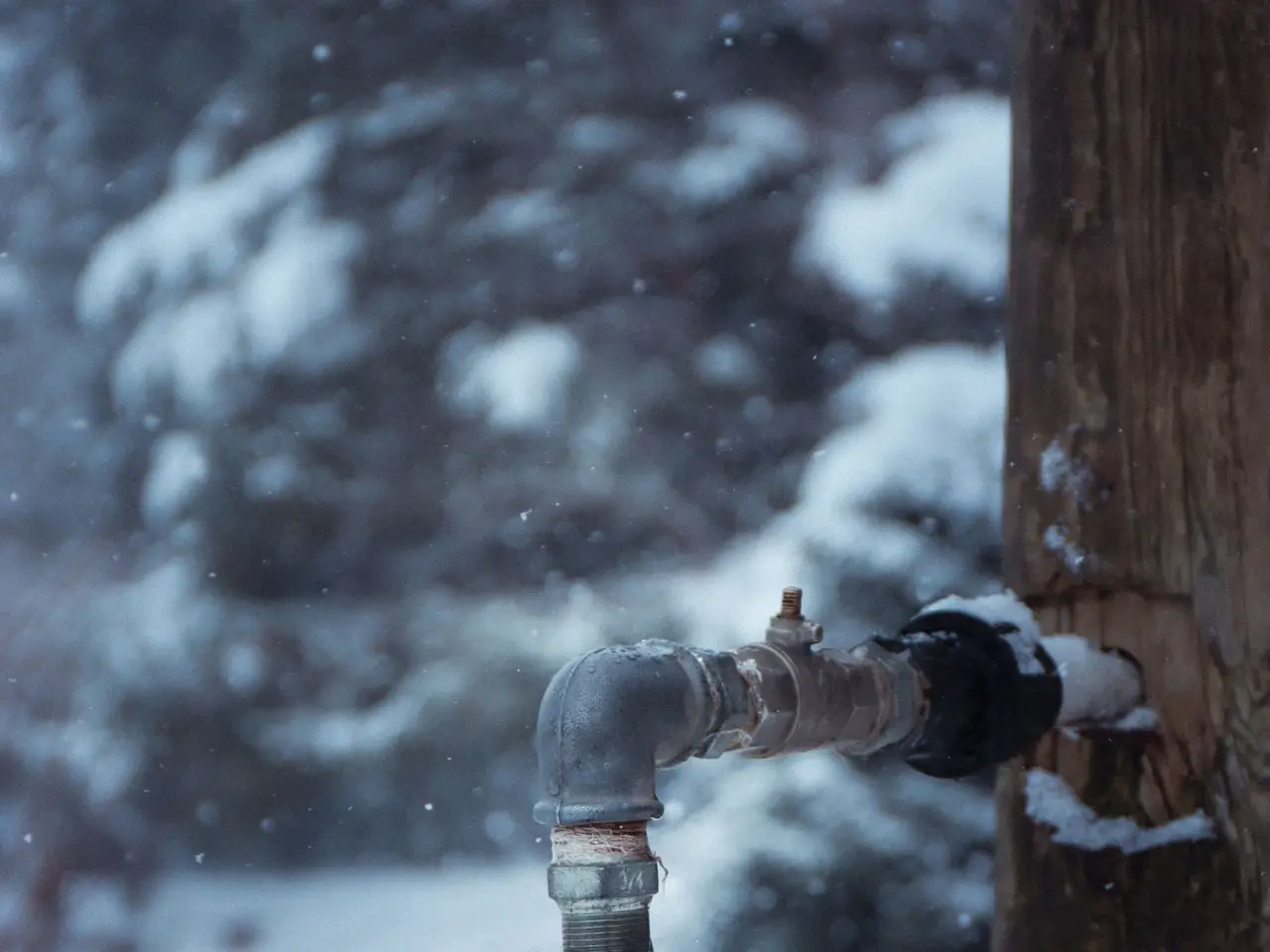
A burst pipe needs the water shut off right away, then a plumber cuts out the damaged section and replaces it. Frozen pipes often split in more than one place, and the leak only shows once they thaw.
- Fast callback on emergency requests
- Independent local plumbers that serve your ZIP
- Burst pipes, drains, water heaters and fixtures
- Free to call; the plumber quotes before work starts
Pipes usually burst from freezing, corrosion, high water pressure or physical damage. When water freezes, pressure builds between the ice and a closed faucet, and the pipe splits there, not necessarily where the ice is. That's why a pipe can look fine while frozen and start spraying as it thaws.
Pipes in exterior walls, crawl spaces, attics, garages and under sinks on outside walls are most at risk. After a repair, a plumber can reroute or insulate the vulnerable run. If you can't find where water is coming from, see leak detection.
Burst Pipe Repair at a glance
- What it is
- A burst pipe needs the water shut off right away, then a plumber cuts out the damaged section and replaces it.
- Urgency
- Same day. Damage grows by the hour.
- Typical steps
- Shut off and drain → Thaw and inspect → Replace the section → Pressure test
- Who does it
- An independent, local plumber
Signs
When you need burst pipe repair
- Water spraying, dripping or pooling after a cold night
- Little or no water from a faucet during freezing weather
- Frost on an exposed pipe or a bulge in the pipe
- A sudden drop in water pressure throughout the house
- Wet drywall, ceiling stains or the sound of running water with every tap off
Process
What the crew does
- 1
Shut off and drain
The water is shut off and the lines drained so the damaged section can be reached safely.
- 2
Thaw and inspect
Frozen runs are thawed carefully and checked along their length for additional splits.
- 3
Replace the section
The split section is cut out and replaced with new pipe and fittings suited to the existing material.
- 4
Pressure test
Water is turned back on and the repair and nearby joints are checked for leaks.
Timeline
How long burst pipe repair typically takes
Service duration varies with job scope, but visits typically proceed across three structured stages from initial diagnosis to completion.
Stage 1 · Arrival & Diagnosis
30 to 60 minutes
System isolation, electronic diagnostic or acoustic inspection, and presenting written repair options.
Stage 2 · Active Repair
1 to 3 hours
Replacing defective pipe runs, installing new fixtures or components, and rebuilding fittings.
Stage 3 · Testing & Sign-off
20 to 30 minutes
Full system repressurization, leak check under working pressure, cleanup, and warranty walkthrough.
Cost
What affects the price
Every job is scoped on site. These are the factors that move the number.
- How many splits there are and how long the damaged run is
- Access: exposed basement pipe versus inside a finished wall or ceiling
- Pipe material and whether old galvanized pipe needs transition fittings
- Emergency or after-hours timing
- Insulating or rerouting pipes to prevent a repeat
Before the crew arrives
What you can do, and when to stop
Safe to do
- Shut off the main water valve immediately
- Open faucets to relieve pressure and drain the lines
- Thaw a frozen, unsplit pipe with a hair dryer or warm towels, working from the faucet end
- Open cabinet doors on outside walls to let warm air reach the pipes
Stop and call if
- Never use an open flame or torch to thaw a pipe
- Water is near electrical outlets or the panel
- The frozen section is inside a wall or ceiling you can't reach
- You've found more than one split
FAQ
Burst Pipe Repair questions
What causes pipes to burst in residential homes?
Pipes most commonly burst from frozen water expansion, severe internal corrosion in aging galvanized steel, extreme water hammer and high pressure, or physical foundation shifting that cracks rigid joints.
When are pipes most at risk of freezing and bursting?
Pipes are most vulnerable when outdoor temperatures drop below 20°F (-6°C) for several consecutive hours, especially in unheated crawl spaces, exterior wall cavities, attics, garages, and uninsulated sink vanity cabinets.
What warning signs indicate a frozen pipe that hasn't burst yet?
Only a trickle or no water emerging when a faucet is opened during sub-freezing weather, visible frost or bulges along exposed copper or PEX runs, and unusual clanking noises when opening taps.
How does a plumber locate and repair a burst pipe?
The plumber isolates the water supply, drains remaining line pressure, locates the fracture using acoustic equipment or moisture meters, cuts out the split section with tubing cutters, and installs new PEX or copper with approved transition couplings.
What drives the cost of burst pipe repair?
Key pricing drivers include the number of split points along the run, accessibility (open crawl space versus behind tiled shower walls or under ceilings), pipe diameter, and whether damaged runs need to be rerouted into conditioned interior space.
How long does a typical burst pipe repair take?
An accessible pipe repair in a basement or crawl space typically takes 1 to 2 hours. Repairs requiring drywall removal, thawing extensive frozen lines, or pressure-testing multiple split joints generally take 3 to 5 hours.
What should I do immediately after discovering a burst pipe?
Shut off the main water valve right away. Open the lowest faucets in your home to drain residual pressure, turn off power to your water heater, move furniture away from dripping water, and take photos for insurance before beginning cleanup.
Is it safe to thaw a frozen pipe myself?
You can safely thaw an exposed, intact pipe using a hair dryer, heating pad, or towels soaked in hot water, working slowly from the faucet toward the frozen blockage. Never use an open flame, torch, or high-heat propane heater, which creates serious fire and steam-explosion risks.
What are the alternatives between repairing a split section and rerouting the pipe?
Spot repair replaces only the damaged 1 to 3 feet of pipe, which is economical if the rest of the run is sound. If the line runs through an exterior wall with recurring freeze risks, rerouting the pipe through heated interior ceilings or walls provides permanent freeze protection.
What should I check before hiring a plumber for burst pipe repairs?
Verify their active plumbing contractor license, confirm they carry current liability insurance, ensure they pressure-test the entire supply system after the repair, and ask whether they provide documentation of freeze damage for your insurer.
Available in 51 states
Related
Related services
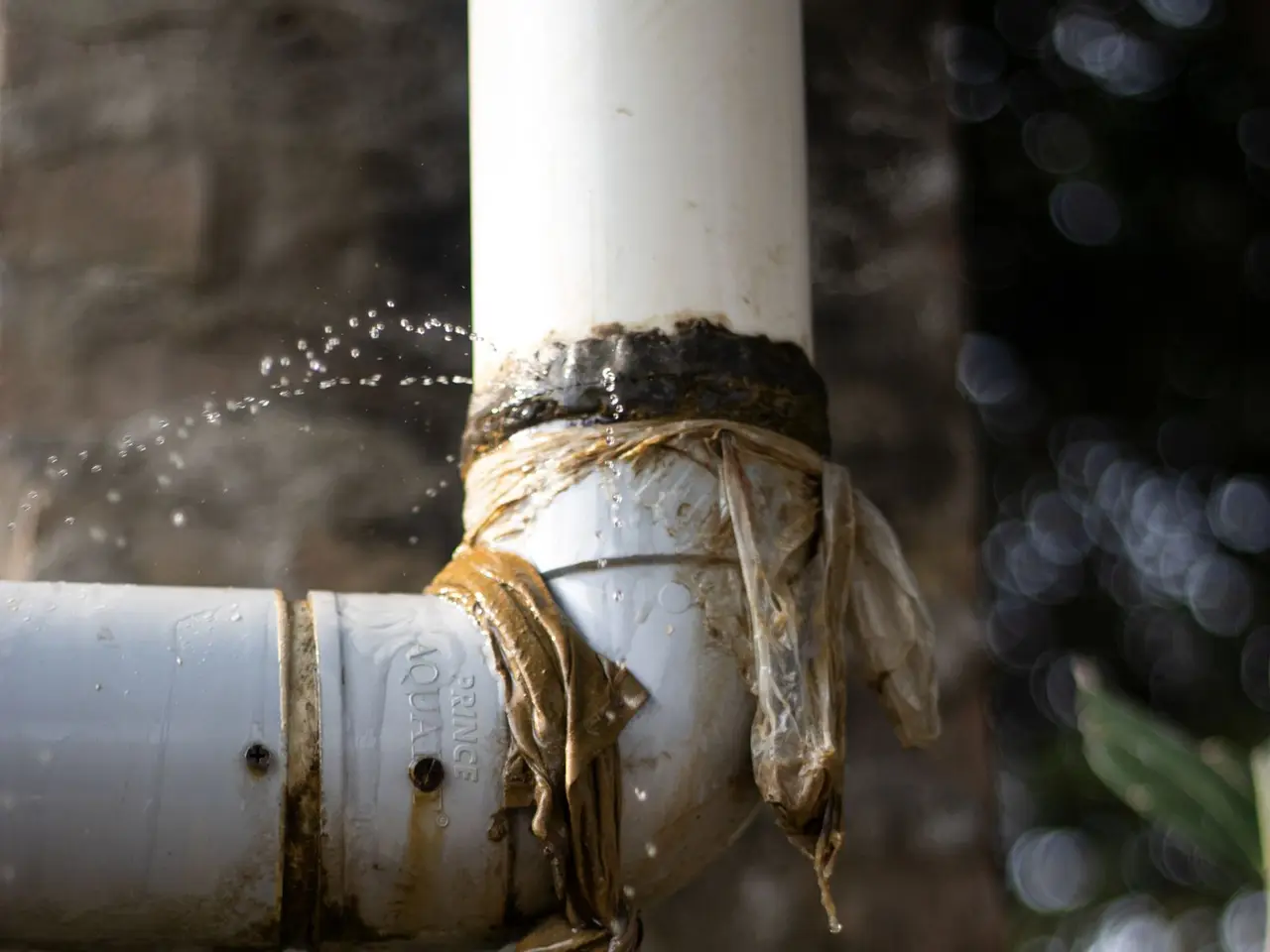
Emergency Plumbing
A plumbing emergency is any leak you can't stop, a burst pipe, a sewage backup or a gas smell.
Learn more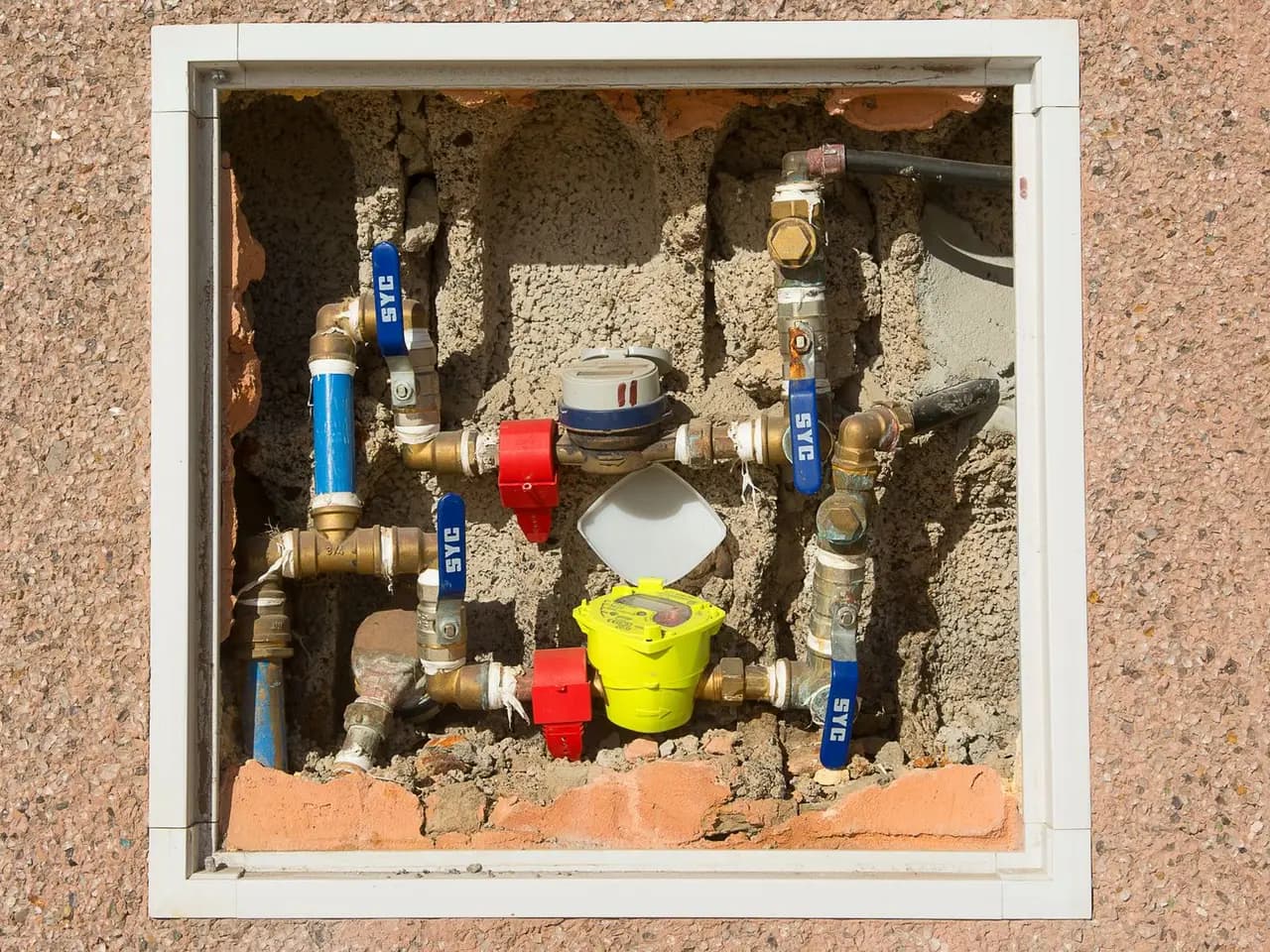
Leak Detection
Leak detection finds water escaping inside walls, ceilings, underground or under a concrete slab.
Learn more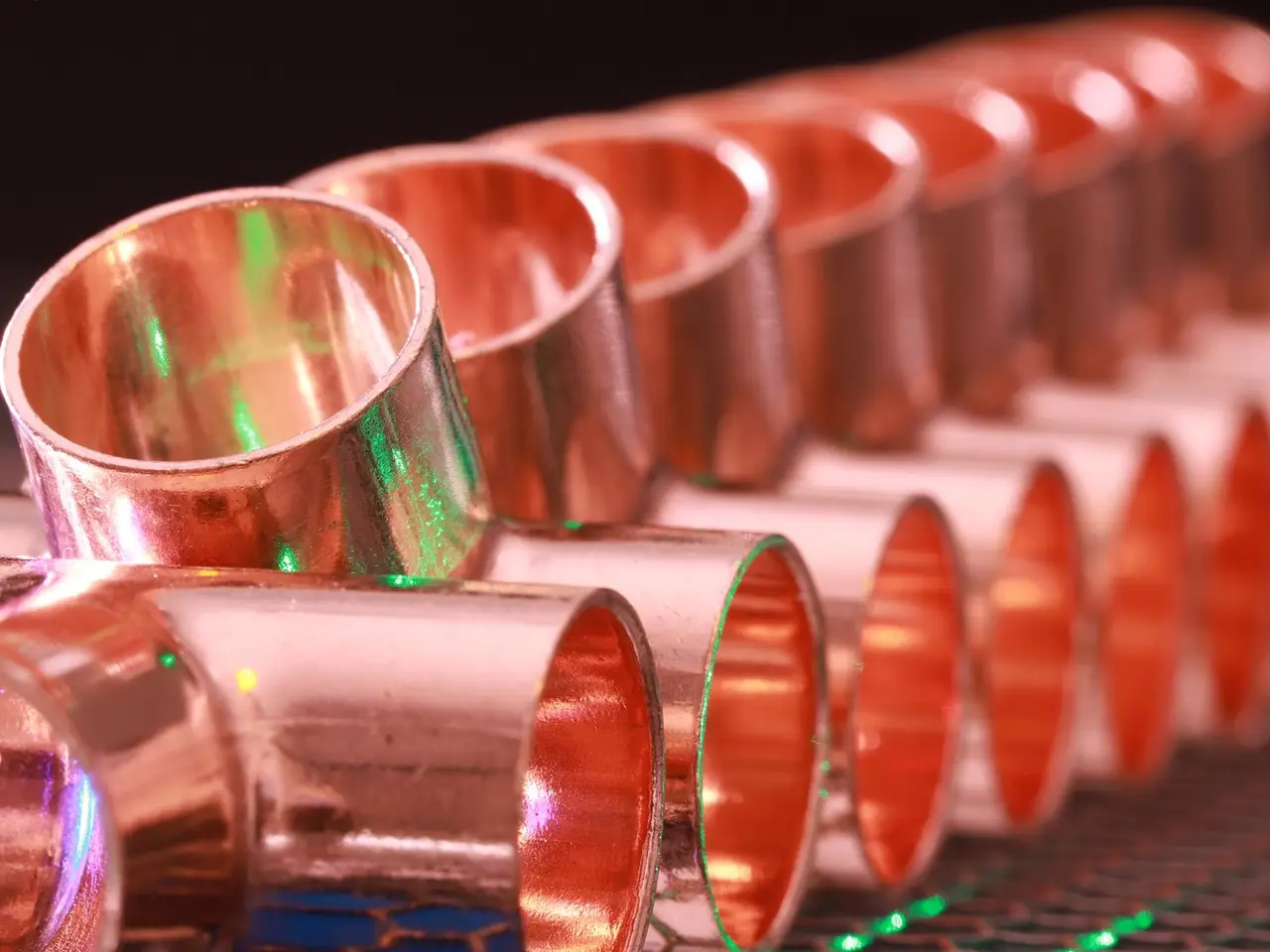
Repiping
Repiping replaces a home's water supply pipes, usually old galvanized steel, polybutylene or corroded copper, with new PEX or copper.
Learn morePipe burst, drain backed up or no hot water?
Shut off the water if you can, then call. We'll connect you with a local plumber that serves your ZIP.
Fast callback on emergency requests