Leak detection
Leak detection finds water escaping inside walls, ceilings, underground or under a concrete slab. Plumbers use pressure tests, acoustic listening equipment and thermal cameras to pinpoint the leak so only a small area needs to be opened.
- Fast callback on emergency requests
- Independent local plumbers that serve your ZIP
- Burst pipes, drains, water heaters and fixtures
- Free to call; the plumber quotes before work starts
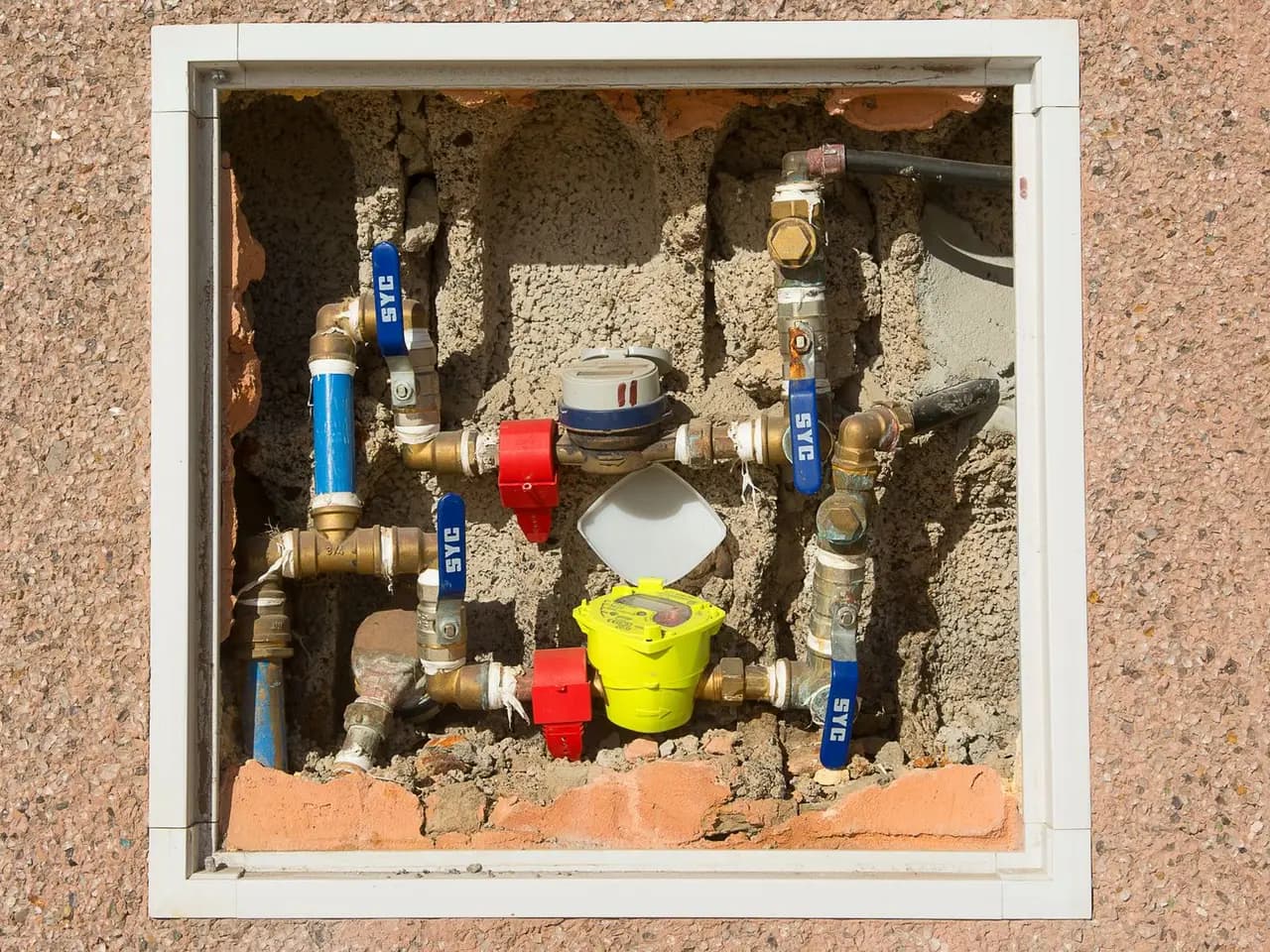
A running water meter with every fixture off is the clearest sign of a hidden leak. Other clues are a water bill that jumps without explanation, a warm spot on a tile floor (a hot-water line leaking under the slab), musty smells, and stains that keep spreading.
Slab leaks are common in homes built on concrete foundations, especially with older copper lines and shifting soil. Once the leak is found, the fix may be a spot repair through the slab or rerouting the line through the walls or attic. For homes with widespread pipe failures, see repiping.
Leak Detection at a glance
- What it is
- Leak detection finds water escaping inside walls, ceilings, underground or under a concrete slab.
- Urgency
- Soon. Start within a day or two.
- Typical steps
- Confirm a leak → Pinpoint it → Open and repair → Recommend next steps
- Who does it
- An independent, local plumber
Signs
When you need leak detection
- The water meter moves with every faucet and appliance off
- A water bill much higher than usual with no change in use
- A warm or damp spot on the floor
- Musty smells, mold or bubbling paint on a wall
- The sound of running water when nothing is on
Process
What the crew does
- 1
Confirm a leak
The meter and system are checked, and supply lines are isolated to narrow down which side is leaking.
- 2
Pinpoint it
Acoustic listening, thermal imaging and pressure testing locate the leak within a small area.
- 3
Open and repair
A small opening is made in the wall, floor or yard, and the pipe is repaired.
- 4
Recommend next steps
If the pipes are failing in several places, you'll get options like rerouting or repiping.
Timeline
How long leak detection typically takes
Service duration varies with job scope, but visits typically proceed across three structured stages from initial diagnosis to completion.
Stage 1 · Arrival & Diagnosis
30 to 60 minutes
System isolation, electronic diagnostic or acoustic inspection, and presenting written repair options.
Stage 2 · Active Repair
1 to 4 hours
Replacing defective pipe runs, installing new fixtures or components, and rebuilding fittings.
Stage 3 · Testing & Sign-off
20 to 30 minutes
Full system repressurization, leak check under working pressure, cleanup, and warranty walkthrough.
Cost
What affects the price
Every job is scoped on site. These are the factors that move the number.
- Whether the leak is in a wall, ceiling, yard line or under a slab
- Equipment and time needed to pinpoint it
- Spot repair versus rerouting the line
- Flooring, tile or concrete that has to be opened and restored
- Drywall repair and drying, often handled separately
Before the crew arrives
What you can do, and when to stop
Safe to do
- Turn off every fixture and watch the water meter for 15 minutes
- Check toilets with a few drops of food coloring in the tank
- Look under sinks, behind the washer and around the water heater
- Close the main valve and see if the meter stops, to confirm the leak is inside
Stop and call if
- A floor spot is warm or damp
- Walls or ceilings are stained, soft or bulging
- You find mold
- The meter keeps moving after you've checked every fixture
FAQ
Leak Detection questions
What is professional water leak detection?
Professional leak detection is the non-invasive process of pinpointing hidden water leaks inside walls, ceilings, yards, and concrete foundations using acoustic microphones, thermal imaging, nitrogen pressure testing, and ground sensors.
When should a homeowner schedule leak detection?
Schedule leak detection if your water meter dial moves when all fixtures are shut off, if your municipal water utility flags continuous consumption, if your monthly water bill surges without cause, or if you notice unexplained warm spots on flooring.
What are the early warning signs of a hidden plumbing leak?
Signs include peeling paint, bubbling baseboards, sudden localized mold growth, musty odors in closets or crawl spaces, damp foundation perimeters, and low water pressure across single fixture groups.
How do plumbers pinpoint leaks without opening walls or slabs?
Plumbers isolate the supply system, pressurize the lines with air or inert nitrogen to monitor pressure drops, use electromagnetic line locators to trace pipe paths, and use ultrasonic listening discs to hear the distinct hiss of pressurized water escaping underground or under concrete.
What factors influence the cost of leak detection?
Costs depend on the type of system being tested (potable domestic water, irrigation main, or radiant heating), whether the leak is under a thick concrete slab or underground main line, and the diagnostic hours required to isolate complex branch lines.
How long does a leak detection inspection take?
Most residential leak detection procedures take 1.5 to 3 hours to test the entire plumbing network, verify meter activity, and isolate the exact location of the leak within a few inches.
What tests can I do myself before calling for professional leak detection?
Perform a meter check: turn off all faucets, washing machines, and ice makers, note the meter register dial or flow indicator, wait 30 minutes without running any water, and check if the number changed. Also test toilets with food coloring in the tank to check for silent flapper leakage.
What should I do if leak detection confirms an active slab leak?
Shut off the water heater supply valve if the leak is on the hot water loop (which stops the loss while preserving cold water), keep the area dry, and discuss repair options—such as a direct spot excavation versus an overhead PEX reroute.
What is the difference between a spot repair and an overhead pipe reroute for slab leaks?
Spot repair jacks open the concrete slab directly over the leak to solder or couple a new copper sleeve. An overhead reroute abandons the failing under-slab pipe entirely and runs a new flexible PEX line through attic or wall framing, avoiding future slab breaks.
What credentials should a leak detection specialist have?
They should be a licensed plumbing contractor equipped with specialized acoustic and thermal diagnostic tools, offer written diagnostic reports, and clearly separate diagnostic fees from subsequent repair estimates.
Available in 51 states
Related
Related services
Repiping
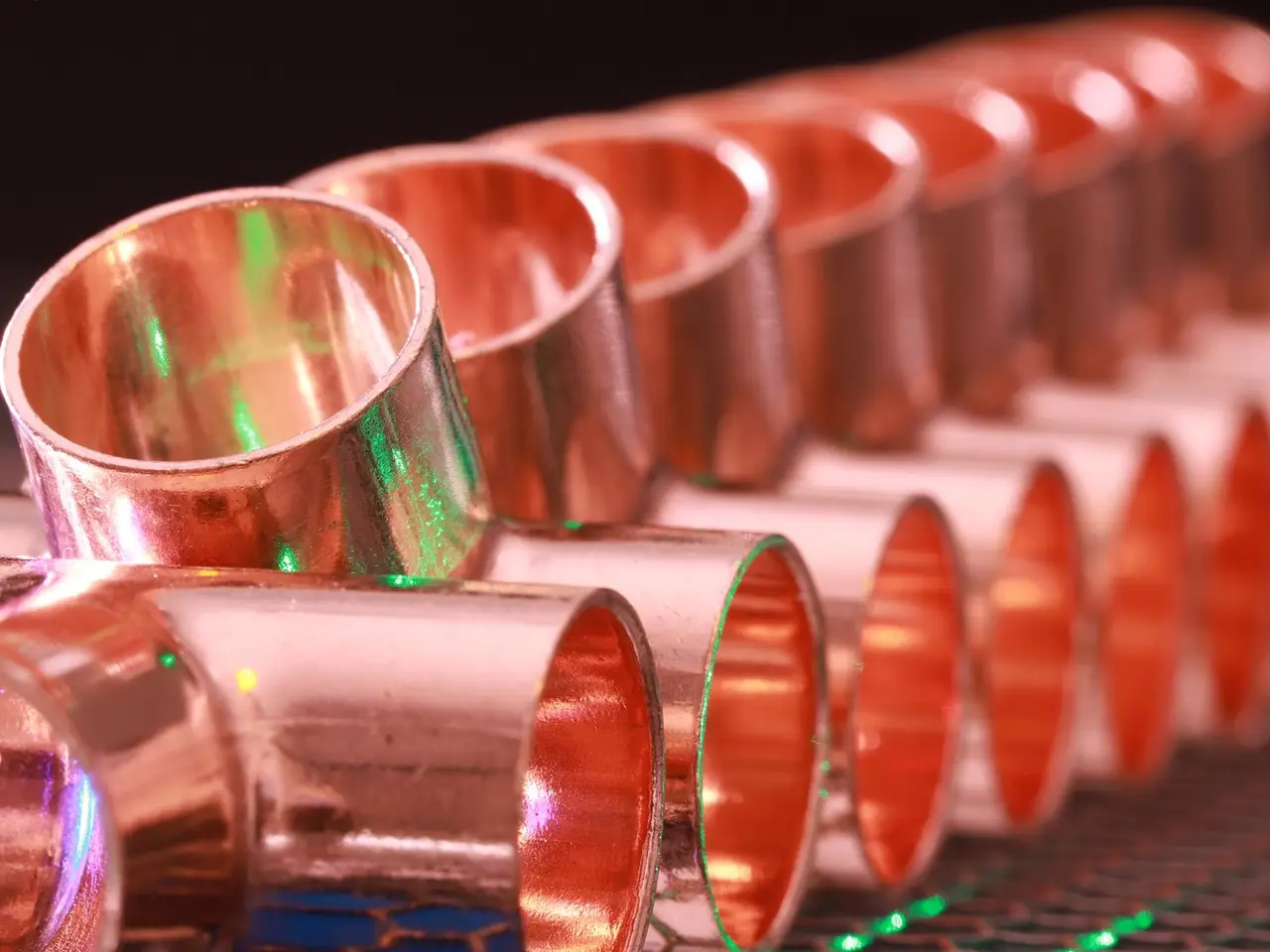
Repiping replaces a home's water supply pipes, usually old galvanized steel, polybutylene or corroded copper, with new PEX or copper.
Learn more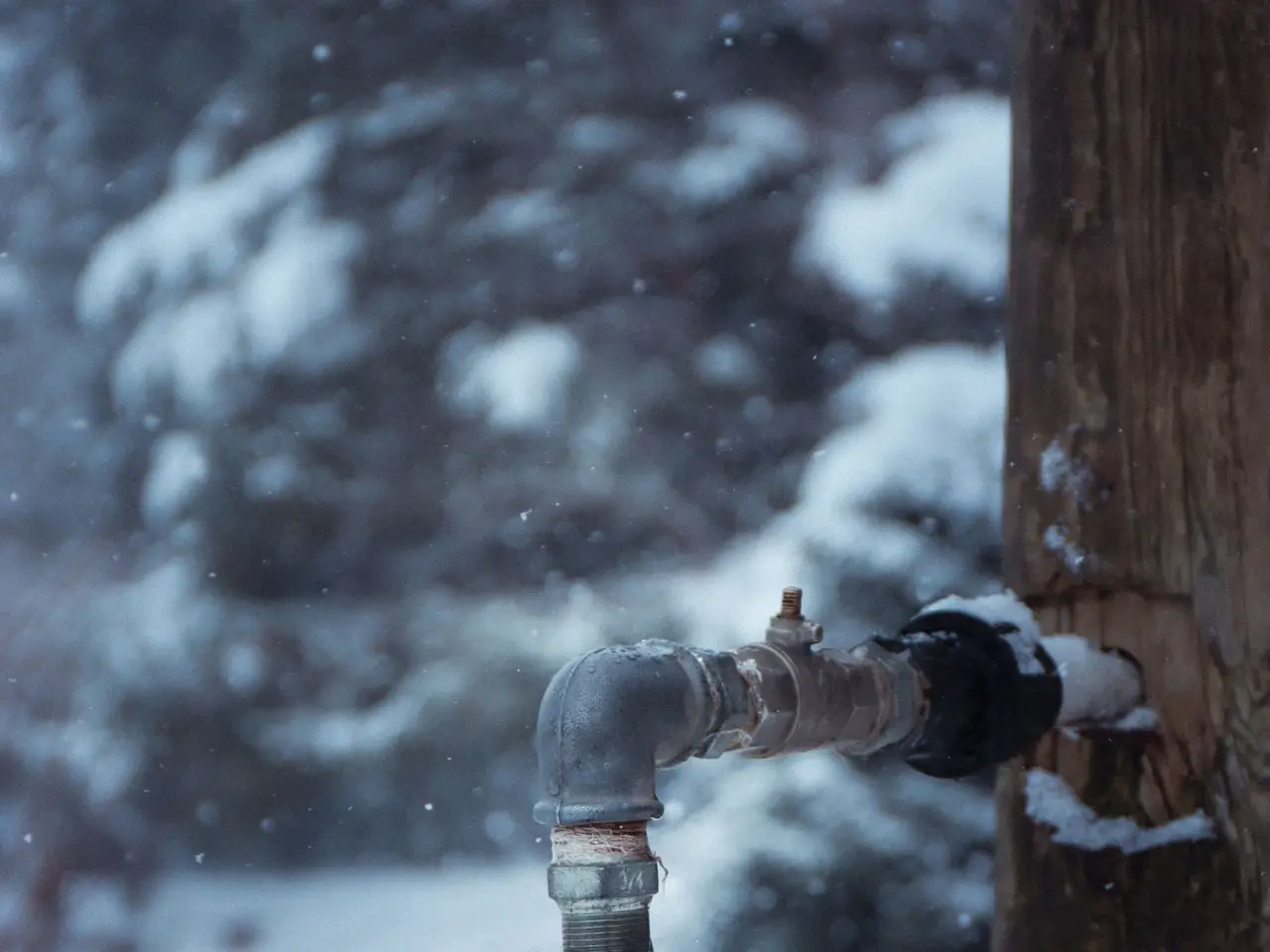
Burst Pipe Repair
A burst pipe needs the water shut off right away, then a plumber cuts out the damaged section and replaces it.
Learn more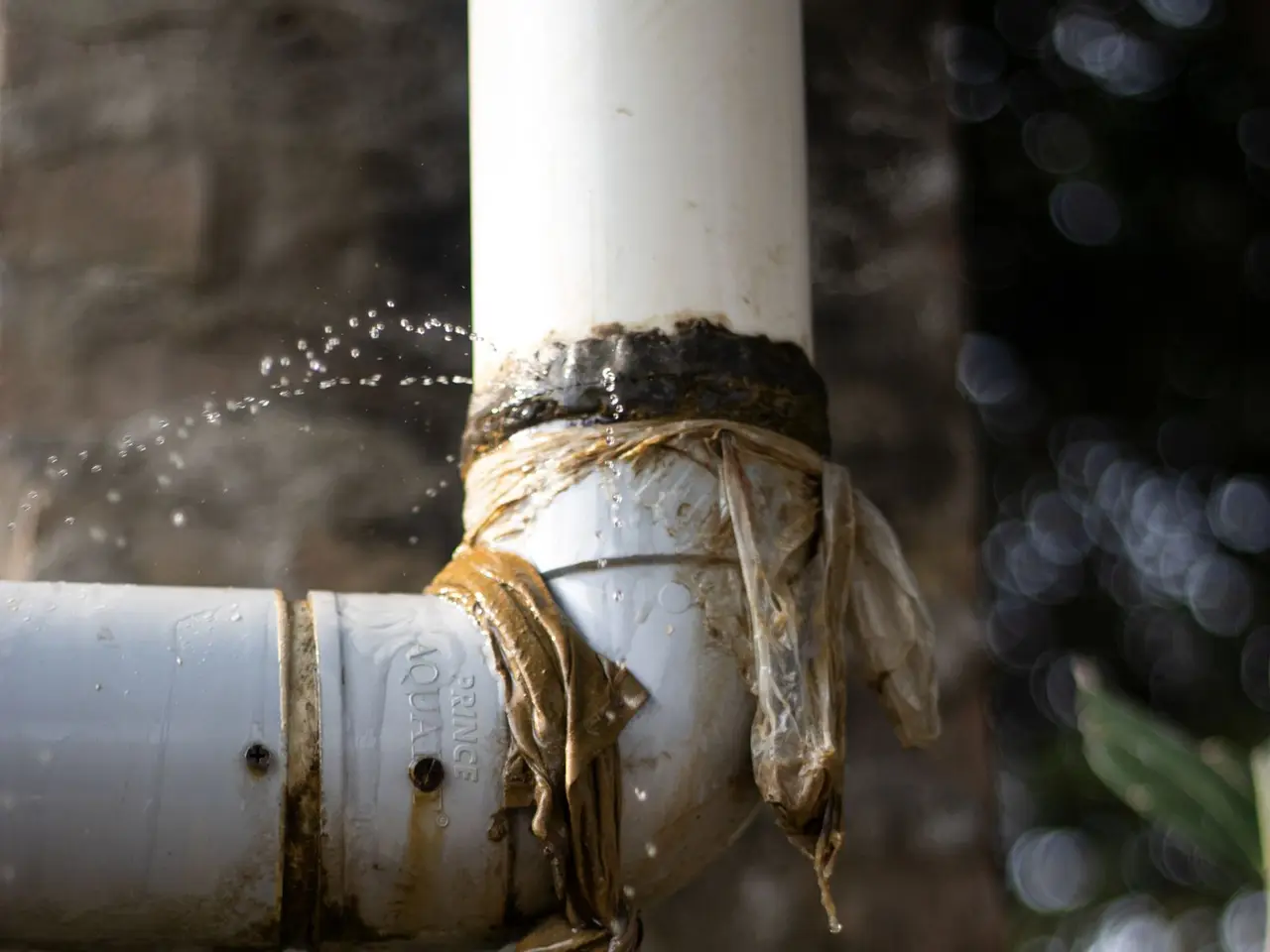
Emergency Plumbing
A plumbing emergency is any leak you can't stop, a burst pipe, a sewage backup or a gas smell.
Learn morePipe burst, drain backed up or no hot water?
Shut off the water if you can, then call. We'll connect you with a local plumber that serves your ZIP.
Fast callback on emergency requests