Water heater repair
Water heater repair covers no hot water, lukewarm water, strange noises and leaks. Parts like thermostats, heating elements, thermocouples and gas valves can often be replaced, but a leaking tank itself can't be repaired and needs replacement.
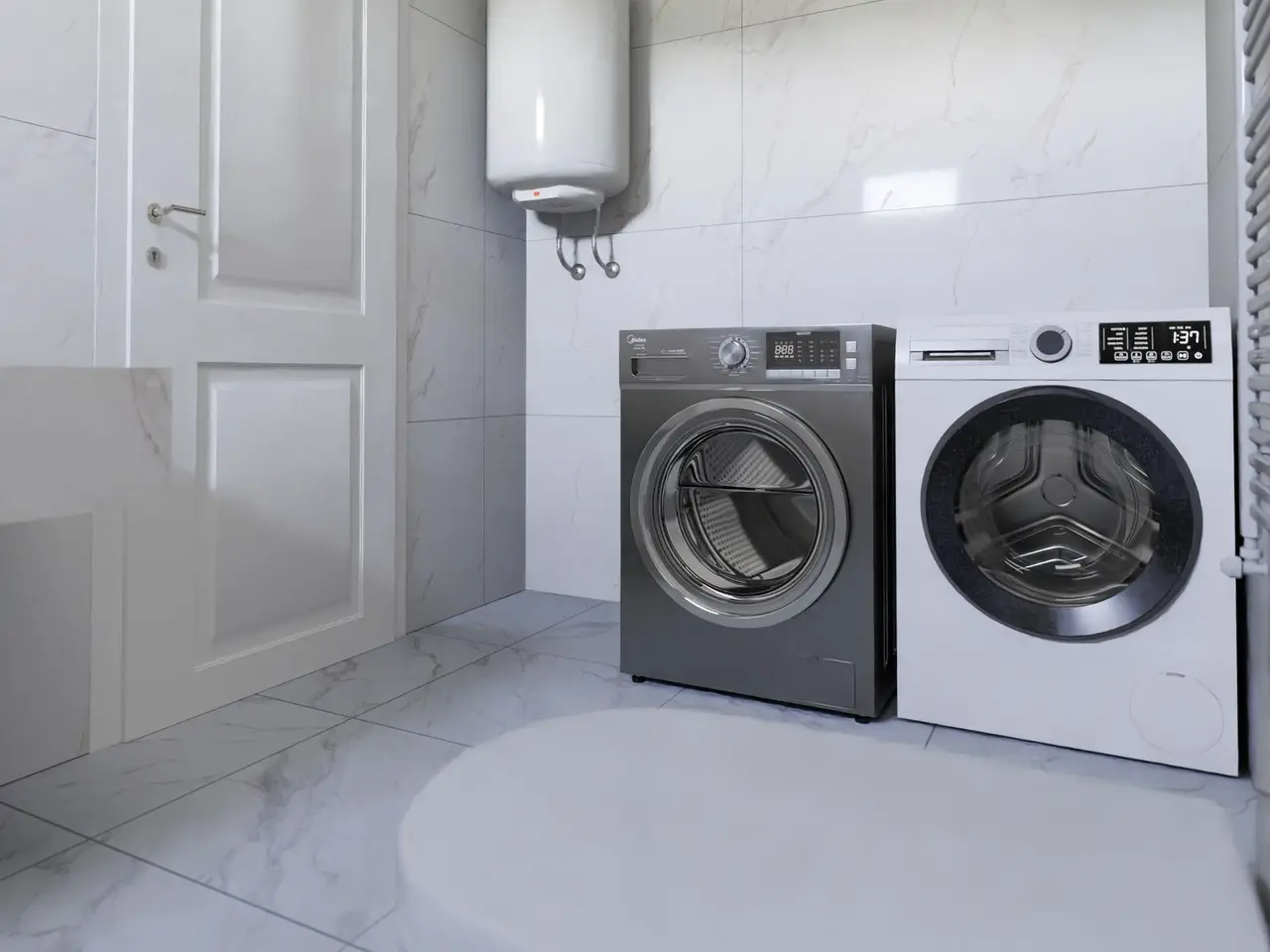
- Fast callback on emergency requests
- Independent local plumbers that serve your ZIP
- Burst pipes, drains, water heaters and fixtures
- Free to call; the plumber quotes before work starts
On an electric heater, no hot water usually means a tripped breaker, a failed heating element or a bad thermostat. On a gas heater, it's often the pilot, thermocouple, flame sensor or gas valve. Popping and rumbling come from sediment that builds up in the bottom of the tank, especially with hard water.
Tank water heaters commonly last around 8 to 12 years. Water pooling around the base, rust in the hot water and a corroded tank mean it's time to replace; see tankless water heaters if you're weighing an upgrade.
Water Heater Repair at a glance
- What it is
- Water heater repair covers no hot water, lukewarm water, strange noises and leaks.
- Urgency
- Soon. Start within a day or two.
- Typical steps
- Diagnose → Repair or advise → Safety checks → Flush if needed
- Who does it
- An independent, local plumber
Signs
When you need water heater repair
- No hot water, or hot water that runs out quickly
- Water pooling around the base of the tank
- Rusty or discolored hot water
- Popping, rumbling or banging from the tank
- The pilot light won't stay lit
Process
What the crew does
- 1
Diagnose
The plumber checks power or gas supply, controls, elements or burner, and the tank for leaks.
- 2
Repair or advise
Failed parts are replaced, or you get a replacement quote if the tank is leaking or near the end of its life.
- 3
Safety checks
The temperature and pressure relief valve, venting and gas connections are checked.
- 4
Flush if needed
Sediment is flushed from the tank to restore capacity and quiet the noise.
Timeline
How long water heater repair typically takes
Service duration varies with job scope, but visits typically proceed across three structured stages from initial diagnosis to completion.
Stage 1 · Arrival & Diagnosis
30 to 60 minutes
System isolation, electronic diagnostic or acoustic inspection, and presenting written repair options.
Stage 2 · Active Repair
1 to 4 hours
Replacing defective pipe runs, installing new fixtures or components, and rebuilding fittings.
Stage 3 · Testing & Sign-off
20 to 30 minutes
Full system repressurization, leak check under working pressure, cleanup, and warranty walkthrough.
Cost
What affects the price
Every job is scoped on site. These are the factors that move the number.
- Gas versus electric, and which part failed
- Age of the unit and whether parts are still available
- Access: attic, closet, garage or crawl space
- Code updates required on replacement, like expansion tanks or venting
- Whether the unit is still under the manufacturer's warranty
Before the crew arrives
What you can do, and when to stop
Safe to do
- Check the breaker (electric) or the pilot light (gas)
- Confirm the thermostat setting (120°F is a common recommendation)
- Shut off the cold supply valve on top of the tank if it's leaking
- Turn off power or set the gas valve to off before any draining
Stop and call if
- You smell gas: leave and call the gas utility from outside
- The tank itself is leaking
- The relief valve is discharging water
- Scorch marks or soot around the burner
FAQ
Water Heater Repair questions
What does water heater repair encompass?
Water heater repair diagnoses and replaces serviceable components on gas and electric water heaters, including thermostats, heating elements, thermocouples, pilot assemblies, gas control valves, and pressure relief valves.
When should a water heater be repaired rather than replaced?
Repair is recommended when the unit is under 8 to 10 years old, the inner tank is structurally intact with no signs of leaking, and the failure involves an isolated electrical or gas ignition component.
What are the most common warning signs of a failing water heater?
Warning signs include water turning lukewarm or running out quickly, loud rumbling or popping sounds caused by boiling sediment at the bottom of the tank, rusty hot water, and moisture pooling around fittings.
How does a technician diagnose and repair a water heater?
The plumber checks voltage supply or gas pressure, tests upper and lower heating elements and thermostats with a multimeter, inspects the burner flame and thermocouple, tests the temperature and pressure relief (T&P) valve, and replaces defective components.
What factors influence water heater repair costs?
Cost depends on the fuel source (gas versus electric), specific part required (inexpensive heating element versus electronic gas control valve), accessibility (closet, attic, or crawl space), and whether tank sediment requires power-flushing.
How long does a typical water heater repair visit take?
Most component replacements—such as elements, thermostats, thermocouples, or relief valves—take 1 to 2 hours once diagnosis is complete. Deep sediment flushing may add 30 to 60 minutes.
What should I check before scheduling a water heater repair?
For electric heaters, check your main electrical panel for a tripped dual-pole breaker. For gas heaters, verify that the gas shutoff valve is open and check whether the pilot light is lit according to the manufacturer label on the jacket.
What should I do if my water heater tank is actively leaking onto the floor?
Immediately shut off the cold water supply valve located on top of the tank. Turn off electrical power at the breaker (electric) or turn the gas thermostat dial to 'OFF' (gas). If equipped, connect a garden hose to the bottom drain valve to empty water safely.
Can a leaking water heater tank be welded or patched?
No. Once an internal steel water heater tank corrodes through its glass lining and leaks, it cannot be safely repaired or welded due to internal pressure and code regulations; the unit must be replaced.
What questions should I ask before approving water heater repairs?
Ask whether the failed component is covered under manufacturer parts warranty, request an honest assessment of remaining tank life based on age and corrosion, and ask whether replacement makes better financial sense.
Available in 51 states
Related
Related services
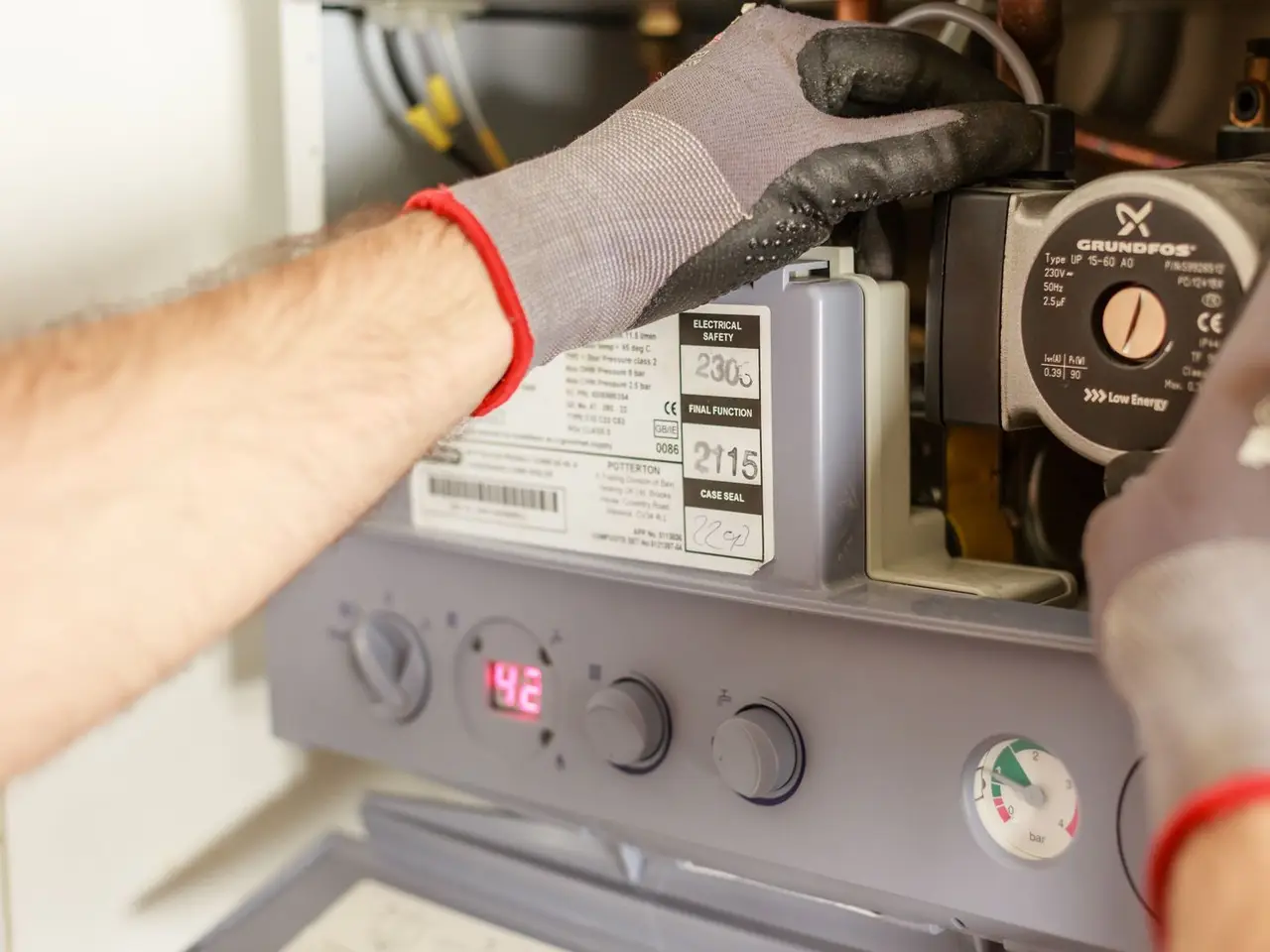
Tankless Water Heaters
A tankless water heater heats water as it flows, so it doesn't run out and takes up little space.
Learn more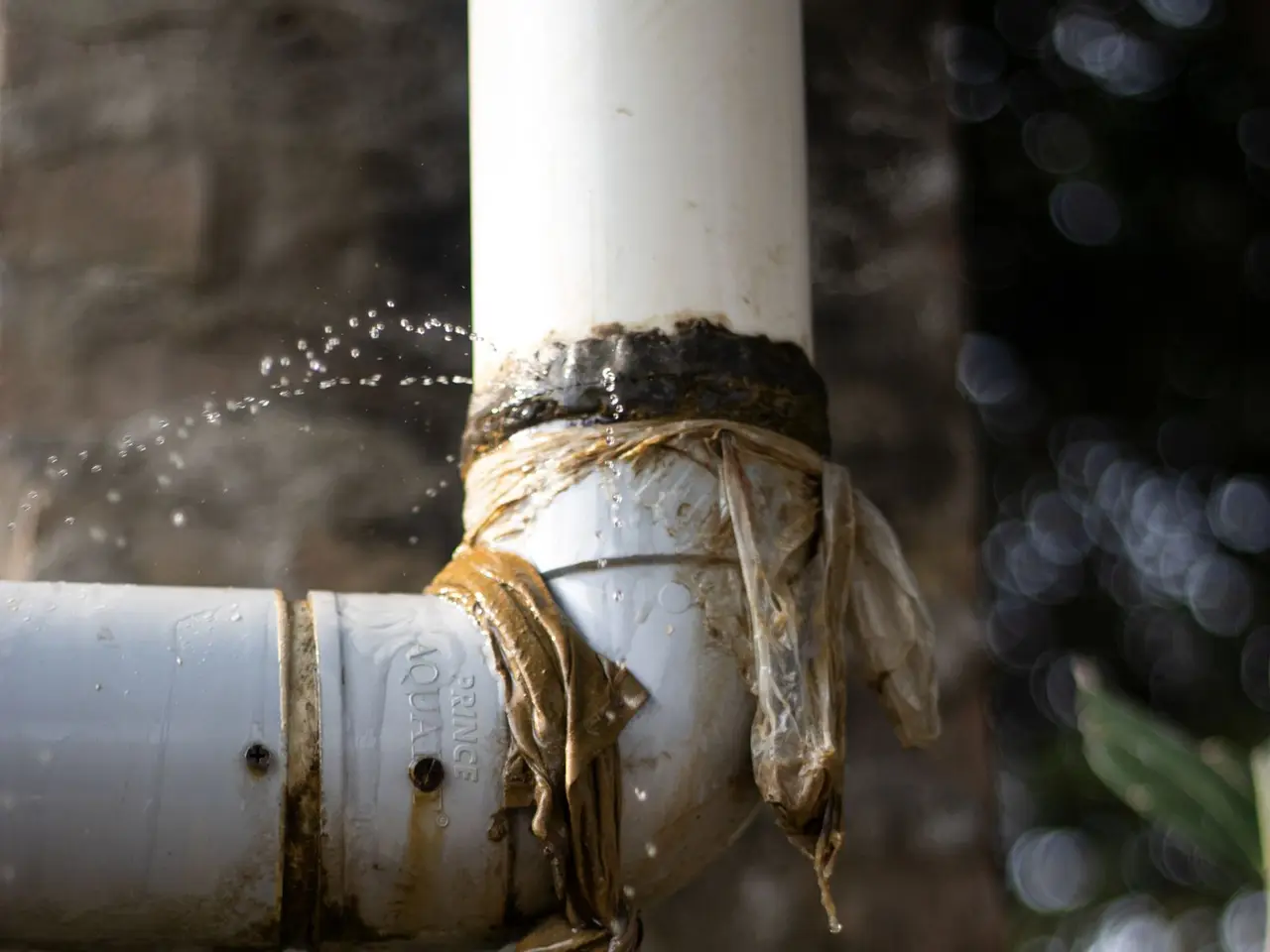
Emergency Plumbing
A plumbing emergency is any leak you can't stop, a burst pipe, a sewage backup or a gas smell.
Learn more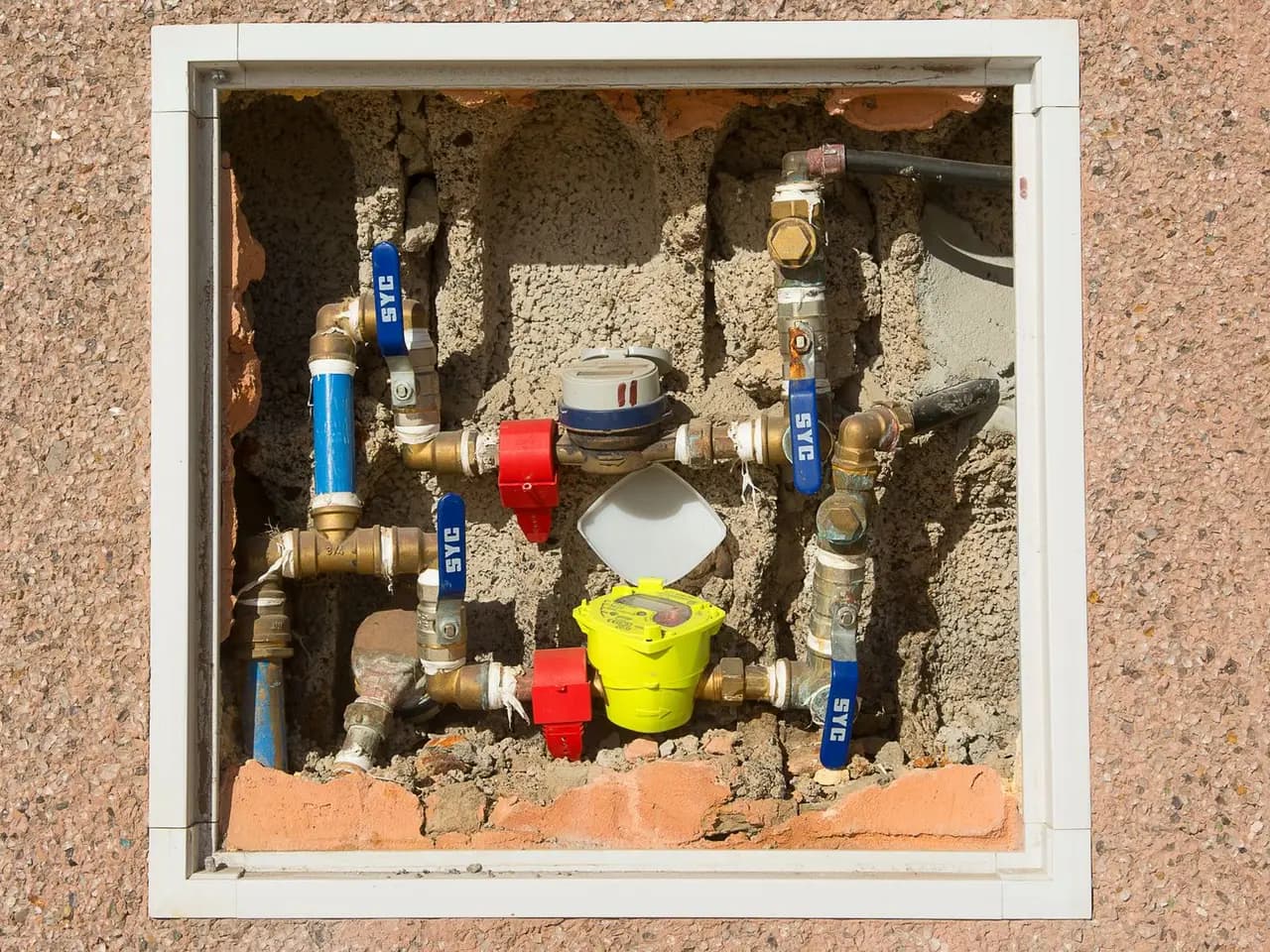
Leak Detection
Leak detection finds water escaping inside walls, ceilings, underground or under a concrete slab.
Learn moreGuides
Read next
Pipe burst, drain backed up or no hot water?
Shut off the water if you can, then call. We'll connect you with a local plumber that serves your ZIP.
Fast callback on emergency requests