Sewer line repair
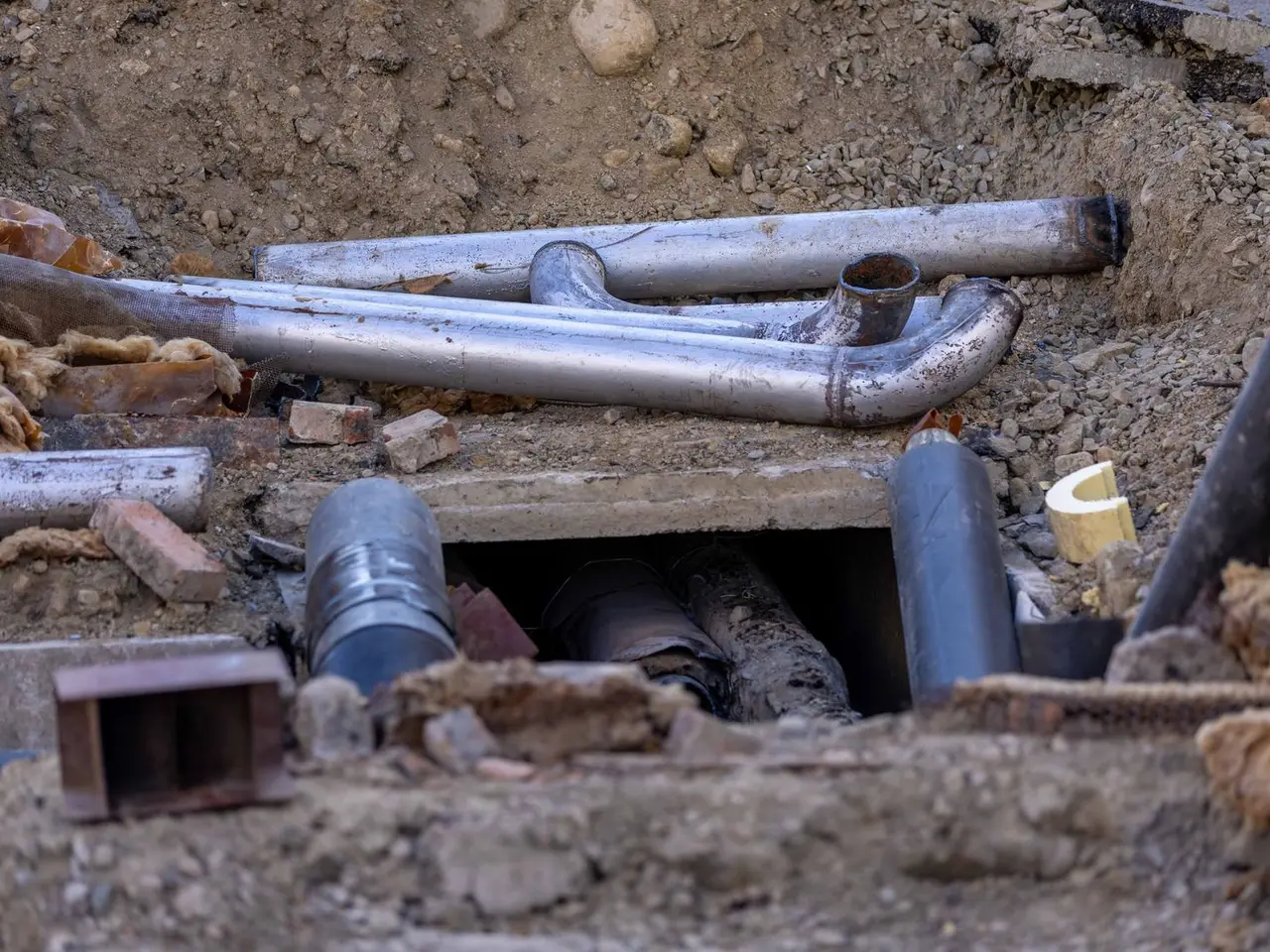
Sewer line repair fixes the pipe that carries waste from your house to the city sewer or septic tank. A camera inspection shows the problem, then the pipe is repaired by digging or by trenchless methods like pipe lining or pipe bursting.
- Fast callback on emergency requests
- Independent local plumbers that serve your ZIP
- Burst pipes, drains, water heaters and fixtures
- Free to call; the plumber quotes before work starts
Older sewer lines made of clay, cast iron or Orangeburg (tar paper) crack, rust and collapse over time, and tree roots grow into the joints looking for water. Signs include repeated main line clogs, sewage in the lowest drains, and soggy or unusually green patches in the yard.
In many areas the homeowner owns the sewer lateral from the house to the city main, sometimes including the section under the street. Cities often need a permit for the work. Recurring clogs that clear and come back are usually a pipe problem; see drain cleaning for the first step.
Sewer Line Repair at a glance
- What it is
- Sewer line repair fixes the pipe that carries waste from your house to the city sewer or septic tank.
- Urgency
- Soon. Start within a day or two.
- Typical steps
- Camera inspection → Choose a method → Permit and locate → Repair and test
- Who does it
- An independent, local plumber
Signs
When you need sewer line repair
- Sewage backing up into the lowest drains in the house
- Several drains slow or gurgling at once
- A sewage smell inside or in the yard
- Soggy, sunken or extra-green patches over the sewer line
- Main line clogs that come back after cleaning
Process
What the crew does
- 1
Camera inspection
A camera is run through the line from a cleanout to find and measure roots, breaks, sags and offsets.
- 2
Choose a method
Options are compared: spot repair, full replacement by trench, or trenchless lining or bursting.
- 3
Permit and locate
Permits are pulled where required, and underground utilities are marked before any digging.
- 4
Repair and test
The line is repaired or replaced, then run and re-inspected by camera.
Timeline
How long sewer line repair typically takes
Service duration varies with job scope, but visits typically proceed across three structured stages from initial diagnosis to completion.
Stage 1 · Arrival & Diagnosis
30 to 60 minutes
System isolation, electronic diagnostic or acoustic inspection, and presenting written repair options.
Stage 2 · Active Repair
1 to 4 hours
Replacing defective pipe runs, installing new fixtures or components, and rebuilding fittings.
Stage 3 · Testing & Sign-off
20 to 30 minutes
Full system repressurization, leak check under working pressure, cleanup, and warranty walkthrough.
Cost
What affects the price
Every job is scoped on site. These are the factors that move the number.
- Length and depth of the line
- Spot repair versus full replacement
- Trenchless versus open trench, and what's above the line (driveway, trees, landscaping)
- Permits, and whether the city requires work in the street
- Pipe material and condition
Before the crew arrives
What you can do, and when to stop
Safe to do
- Stop using water if sewage is backing up
- Keep people and pets away from any sewage
- Find your outdoor cleanout (a capped pipe near the house)
- Check with neighbors: if they have backups too, call the city
Stop and call if
- Sewage is in the house
- Backups keep coming back after cleaning
- The yard is soggy or sinking over the line
- Never dig to find the line without calling 811 first
FAQ
Sewer Line Repair questions
What is sewer line repair and replacement?
Sewer line repair fixes or replaces the main underground lateral pipe carrying wastewater from the building's exterior foundation to the municipal sewer main or private septic tank.
When is sewer line repair necessary?
It is necessary when camera inspection reveals broken, cracked, bellied (sagging), or root-choked pipes, or when sewage repeatedly backs up through the lowest drains in the home despite multiple cabling attempts.
What warning signs indicate sewer lateral failure?
Signs include sewage rising in basement floor drains or tubs during laundry cycles, strong sewer gas odors in the yard, patches of unusually lush or soggy grass over the sewer path, and ground indentations or sinkholes.
How does the sewer line diagnostic and repair process work?
The contractor runs a high-definition CCTV camera through the sewer cleanout to record distance and depth of defects. They provide a diagnosis, secure required municipal permits, mark underground utilities via 811, execute the trenchless or open-cut repair, and conduct a final video inspection.
What drives the cost of sewer line repair or replacement?
Key cost factors include line length and burial depth (4 feet versus 10+ feet deep), repair method (trenchless CIPP lining versus open trench excavation), surface restorations (driveways, patios, or landscaping), and municipal street opening permit fees.
How long does a sewer line repair take to complete?
Trenchless cured-in-place pipe (CIPP) lining or pipe bursting is typically completed in 1 to 2 days with minimal surface disruption. Traditional open-trench excavation typically takes 2 to 4 days, depending on depth, soil stability, and weather conditions.
What should I do before the sewer crew begins work?
Locate your exterior sewer cleanout, refrain from running heavy water loads (dishwashers, washing machines, showers), ensure clear vehicle access for service equipment, and request that underground utilities be marked by calling 811.
What is an emergency sewer backup protocol?
Turn off your main water valve to prevent accidental drainage into the sewer. Evacuate affected basement or bathroom areas, keep pets and children away from biohazards, and avoid operating any fixtures connected to the main waste stack.
What are the differences between traditional excavation, pipe lining, and pipe bursting?
Traditional excavation digs a trench along the entire line to replace the pipe manually. CIPP pipe lining pulls an epoxy-saturated sleeve inside the existing pipe and cures it into a seamless pipe-within-a-pipe. Pipe bursting pulls a new HDPE pipe through while hydraulically fracturing the old brittle line.
What should I verify with a sewer repair contractor before signing?
Confirm they hold appropriate state plumbing contractor licenses, verify active liability and workers' compensation coverage, ensure municipal permit acquisition is included in writing, and request a copy of the pre- and post-repair camera video footage.
Available in 51 states
Related
Related services
Drain Cleaning
Drain cleaning clears clogs from sinks, tubs, showers, toilets and the main line with a drain snake (auger) or high-pressure water jetting.
Learn more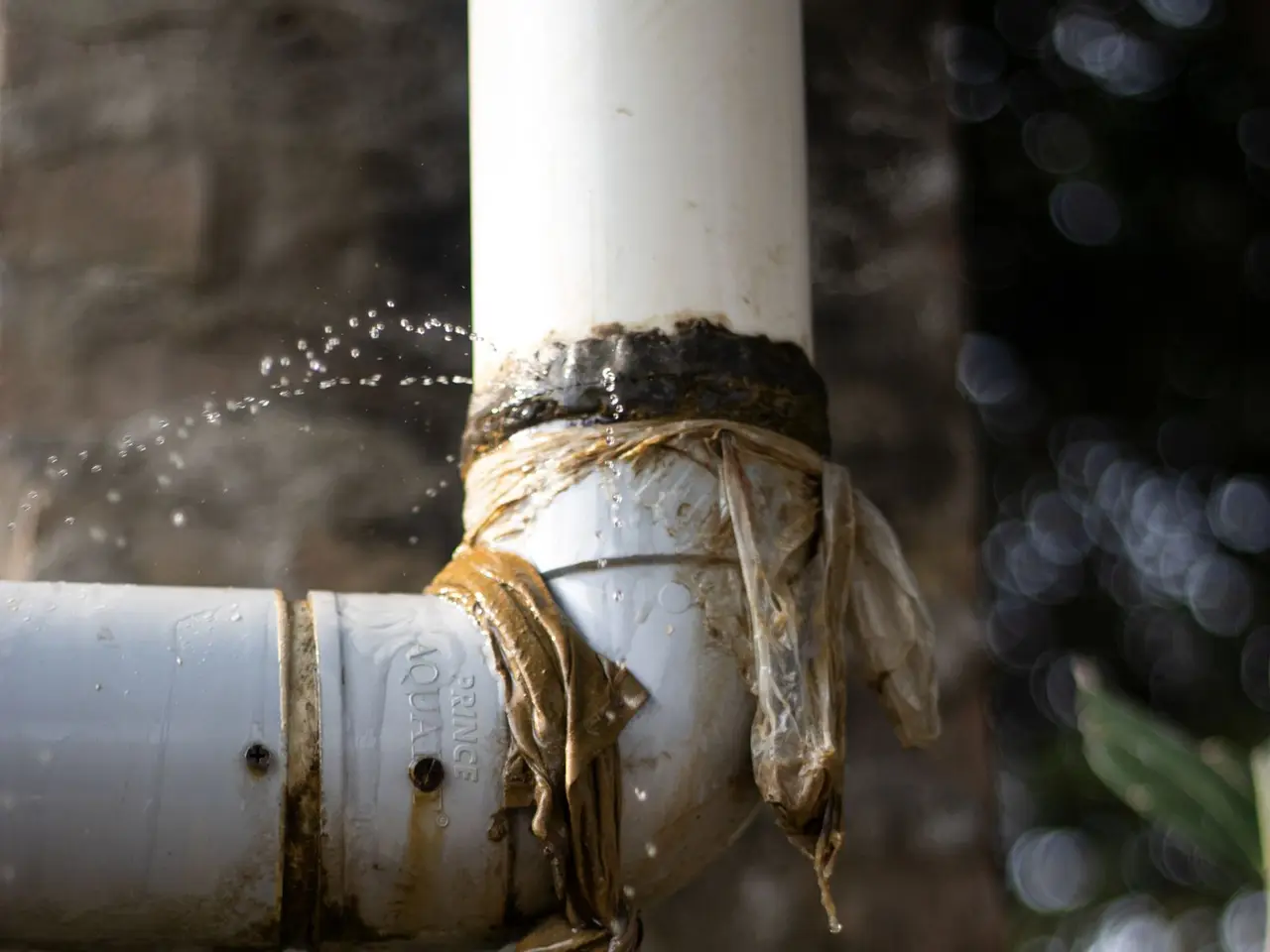
Emergency Plumbing
A plumbing emergency is any leak you can't stop, a burst pipe, a sewage backup or a gas smell.
Learn more
Repiping
Repiping replaces a home's water supply pipes, usually old galvanized steel, polybutylene or corroded copper, with new PEX or copper.
Learn moreGuides
Read next
Pipe burst, drain backed up or no hot water?
Shut off the water if you can, then call. We'll connect you with a local plumber that serves your ZIP.
Fast callback on emergency requests