Emergency service
Emergency plumbing
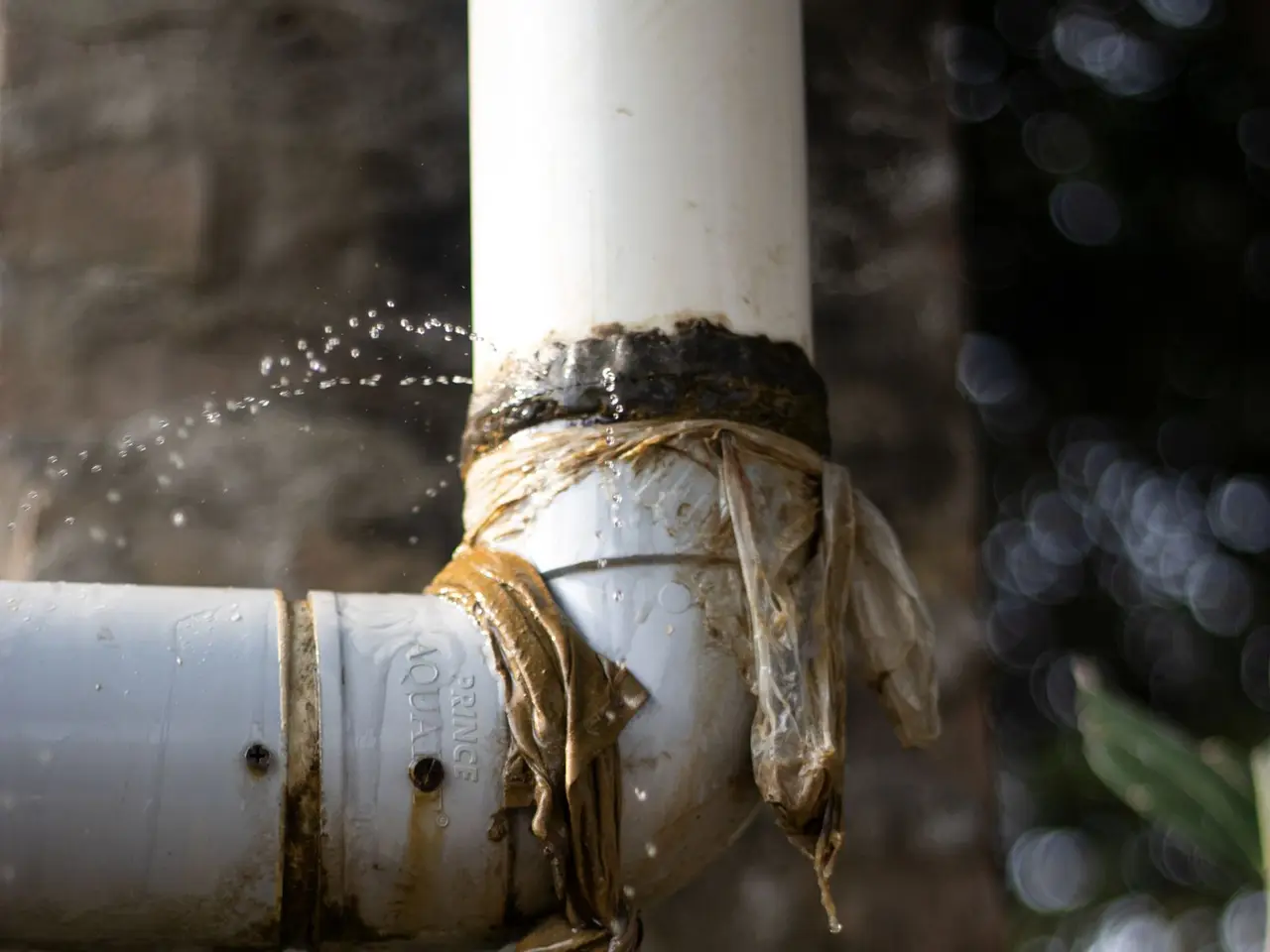
A plumbing emergency is any leak you can't stop, a burst pipe, a sewage backup or a gas smell. Shut off the main water valve first, then call. Most water damage happens in the first hour.
- Fast callback on emergency requests
- Independent local plumbers that serve your ZIP
- Burst pipes, drains, water heaters and fixtures
- Free to call; the plumber quotes before work starts
The main shutoff is usually where the water line enters the house: in the basement, a utility closet, the garage, or near the water heater in slab homes. Some homes only have a shutoff at the meter box by the street, which needs a meter key. Find yours before you need it.
Once the water is off, an emergency plumber finds the failure, makes a repair or a temporary cap so you can get water back on, and tells you what a permanent fix involves. For a split pipe see burst pipe repair; for water coming up through floor drains see sewer line repair.
Emergency Plumbing at a glance
- What it is
- A plumbing emergency is any leak you can't stop, a burst pipe, a sewage backup or a gas smell.
- Urgency
- Same day. Damage grows by the hour.
- Typical steps
- Stop the water → Find the failure → Repair or make safe → Plan the permanent fix
- Who does it
- An independent, local plumber
Signs
When you need emergency plumbing
- Water spraying or pouring from a pipe, fitting or appliance hose
- Water coming through a ceiling or pooling on the floor
- Sewage backing up into tubs, showers or floor drains
- No water at all after a hard freeze
- A rotten-egg smell near a gas water heater or gas line
Process
What the crew does
- 1
Stop the water
You shut off the main, or the plumber talks you through it on the phone while they're on the way.
- 2
Find the failure
The plumber locates the split, failed fitting, supply hose or blockage causing the problem.
- 3
Repair or make safe
The pipe is repaired or capped, or the line is cleared, so water can be turned back on where possible.
- 4
Plan the permanent fix
You get a written scope for anything more, such as replacing a section of pipe or a failed water heater.
Timeline
How long emergency plumbing typically takes
Service duration varies with job scope, but visits typically proceed across three structured stages from initial diagnosis to completion.
Stage 1 · Arrival & Diagnosis
30 to 60 minutes
System isolation, electronic diagnostic or acoustic inspection, and presenting written repair options.
Stage 2 · Active Repair
1 to 3 hours
Replacing defective pipe runs, installing new fixtures or components, and rebuilding fittings.
Stage 3 · Testing & Sign-off
20 to 30 minutes
Full system repressurization, leak check under working pressure, cleanup, and warranty walkthrough.
Cost
What affects the price
Every job is scoped on site. These are the factors that move the number.
- After-hours, weekend and holiday call-out rates
- Where the failure is: open basement pipe versus inside a finished wall or under a slab
- Pipe material (copper, PEX, CPVC, galvanized or cast iron)
- Whether drywall or flooring has to be opened for access
- Water cleanup and drying, usually handled separately
Before the crew arrives
What you can do, and when to stop
Safe to do
- Shut off the main water valve, or the fixture's own shutoff
- Turn off power to the water heater if the house water is off
- Open a low faucet to drain pressure from the lines
- Move belongings and photograph the damage for your insurer
Stop and call if
- You smell gas: leave the house and call the gas utility from outside
- Water is near outlets, cords or the electrical panel
- Sewage is backing up: stop using water and avoid contact
- A ceiling is sagging with water
FAQ
Emergency Plumbing questions
What counts as a plumbing emergency?
An active burst pipe, uncontrollable supply line leak, raw sewage backing up through drains, total loss of running water, or smelling natural gas near water heaters. Any event threatening structural water damage or immediate contamination requires emergency service.
When should I call an emergency plumber instead of waiting for standard hours?
Call immediately if water continues escaping after attempting to isolate valves, if sewage is backing up into living spaces, or if water is pooling near electrical conduits or ceilings. Waiting overnight can multiply structural drying and mold remediation costs.
What are the earliest warning signs of an impending plumbing emergency?
Early warnings include sudden severe pressure drops, unexplained water meter movement, sounds of running water inside walls when all taps are off, damp warm spots on floors, or gurgling sounds accompanied by sewer odors.
How does the emergency plumbing dispatch and repair process work?
First, you contact dispatch to describe the failure and receive safe shutoff instructions. An emergency plumber arrives on site, locates the failure point, isolates the line, performs an immediate repair or safe cap to restore service, and provides a clear scope for any permanent restoration needed.
What factors affect emergency plumbing pricing?
Emergency costs depend on timing (after-hours, weekends, or holidays), the location and accessibility of the broken line (open basement versus inside tiled walls or under concrete slabs), pipe material, and the extent of line replacement needed.
How long does emergency plumbing repair typically take?
Isolating the leak and installing a temporary cap or spot repair usually takes 1 to 3 hours once the plumber arrives on site. Complex repairs involving concrete breakout or extensive repiping may require scheduled follow-up work.
What should I do before the emergency plumber arrives?
Shut off the main water valve immediately, switch off electric breakers to water heaters and flooded rooms, clear paths to utility access panels and shutoffs, and take date-stamped photos of the leak and surrounding damage for insurance documentation.
What should I do if water is near electrical outlets or breaker panels?
Do not enter standing water near electrical panels, outlets, or appliances. If you can reach the main electrical shutoff safely from a dry area, turn it off; otherwise, stay clear and call the electric utility immediately.
Can a temporary emergency repair be made permanent later?
Yes. In urgent scenarios such as midnight freeze bursts, plumbers often install a pressure-rated cap or mechanical coupling to stabilize the home overnight, followed by a permanent soldered, pressed, or crimped pipe replacement during regular working hours.
What should I ask an emergency plumber before authorizing repairs?
Confirm their state or municipal plumbing license, ask for proof of liability insurance, ask about their emergency dispatch rate and hourly labor structure, and request a written estimate before extensive excavation or demolition begins.
Available in 51 states
Related
Related services
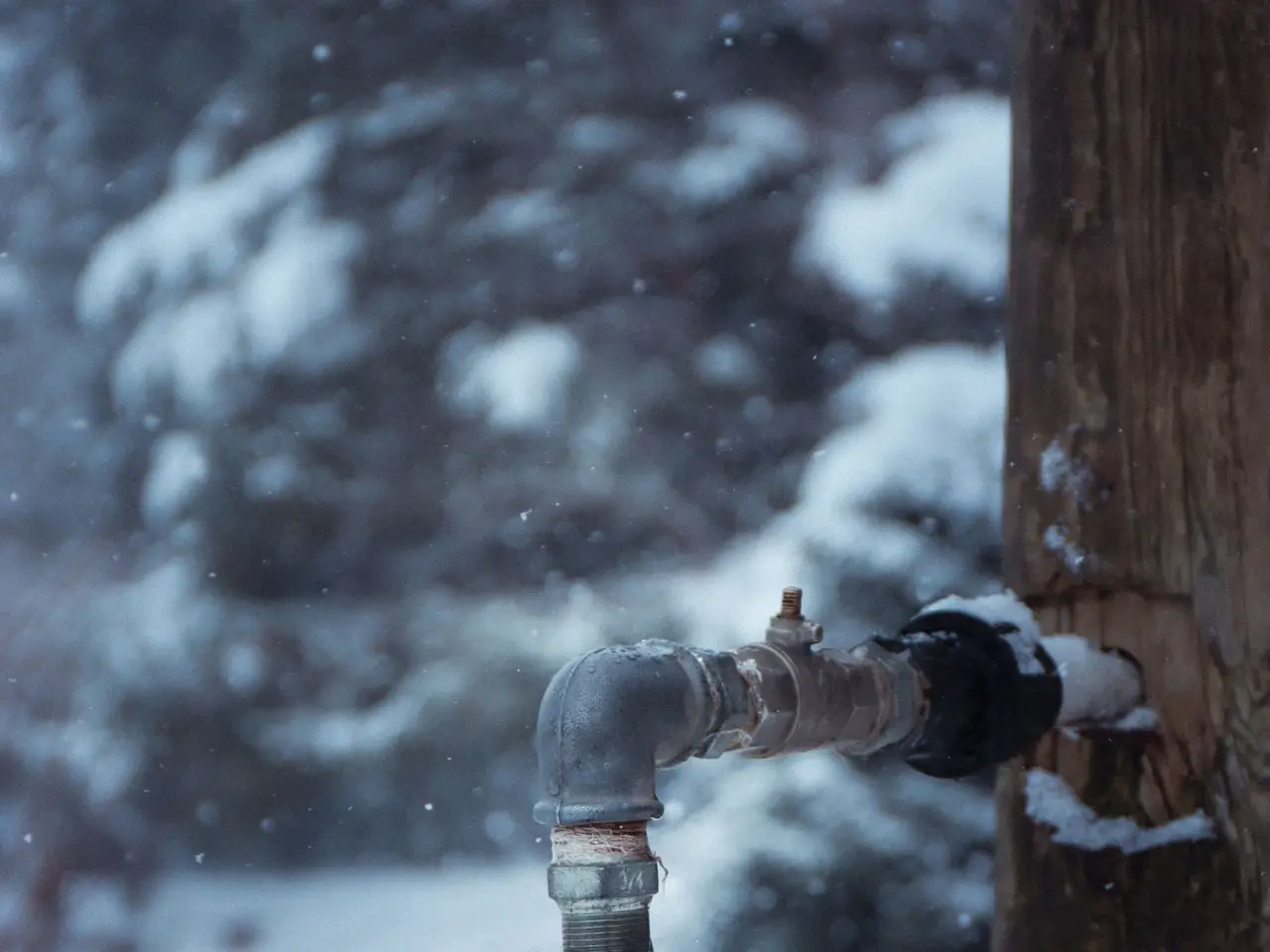
Burst Pipe Repair
A burst pipe needs the water shut off right away, then a plumber cuts out the damaged section and replaces it.
Learn more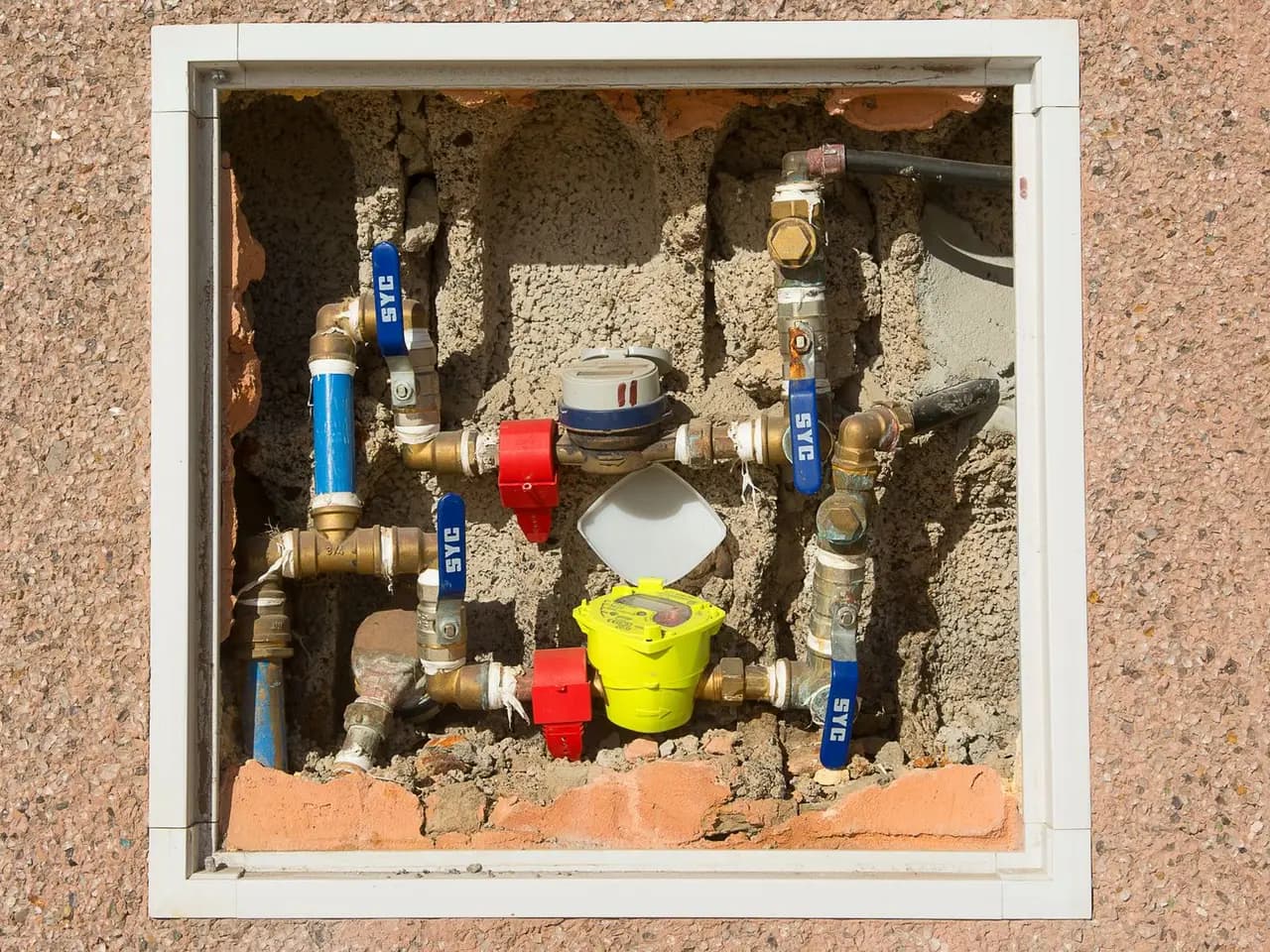
Leak Detection
Leak detection finds water escaping inside walls, ceilings, underground or under a concrete slab.
Learn more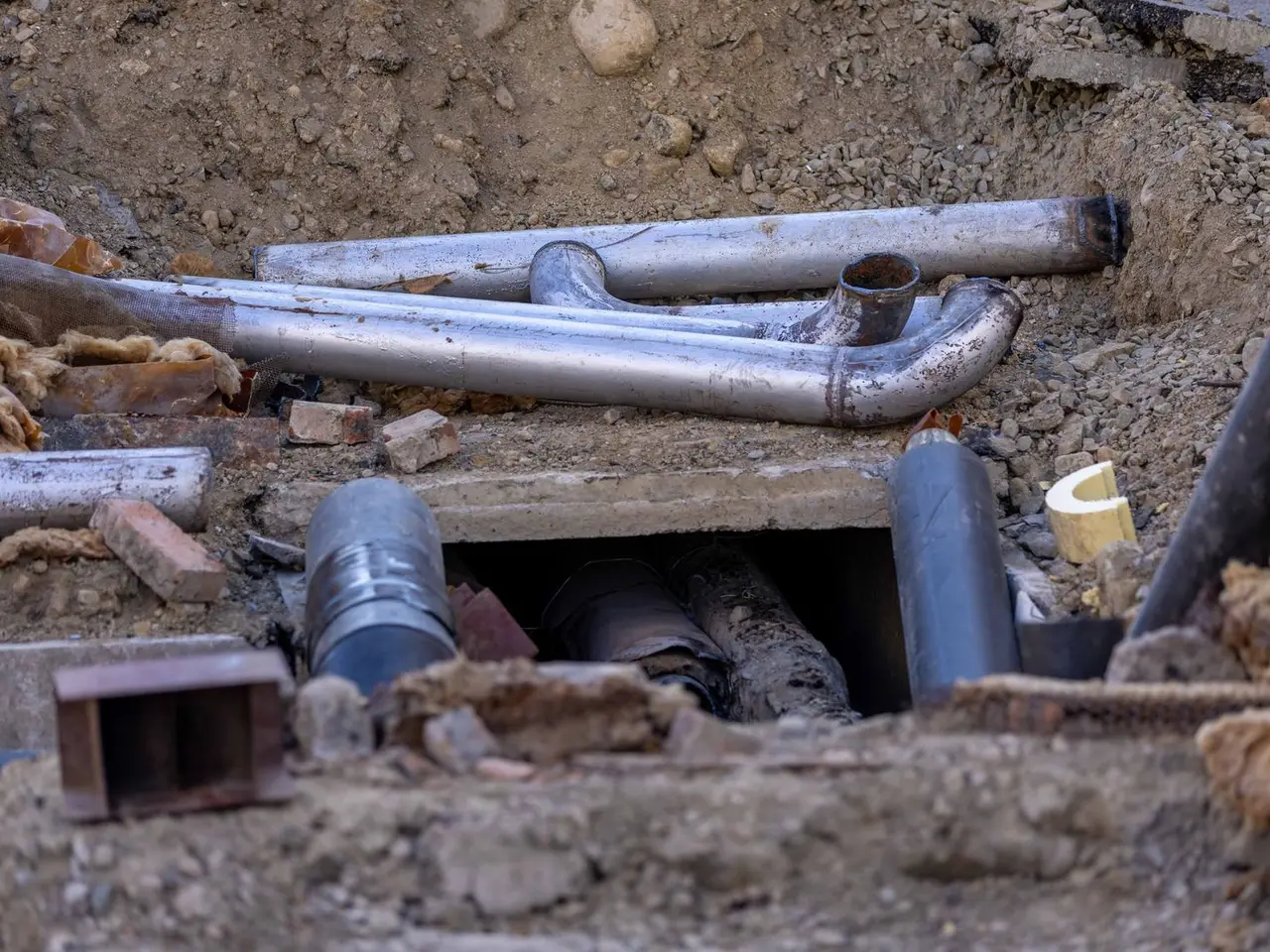
Sewer Line Repair
Sewer line repair fixes the pipe that carries waste from your house to the city sewer or septic tank.
Learn morePipe burst, drain backed up or no hot water?
Shut off the water if you can, then call. We'll connect you with a local plumber that serves your ZIP.
Fast callback on emergency requests