Short answer
Shut off the main water valve first, then turn off the water heater and open a low faucet to drain the lines. Keep away from water near outlets or the panel, photograph the damage and call a plumber.
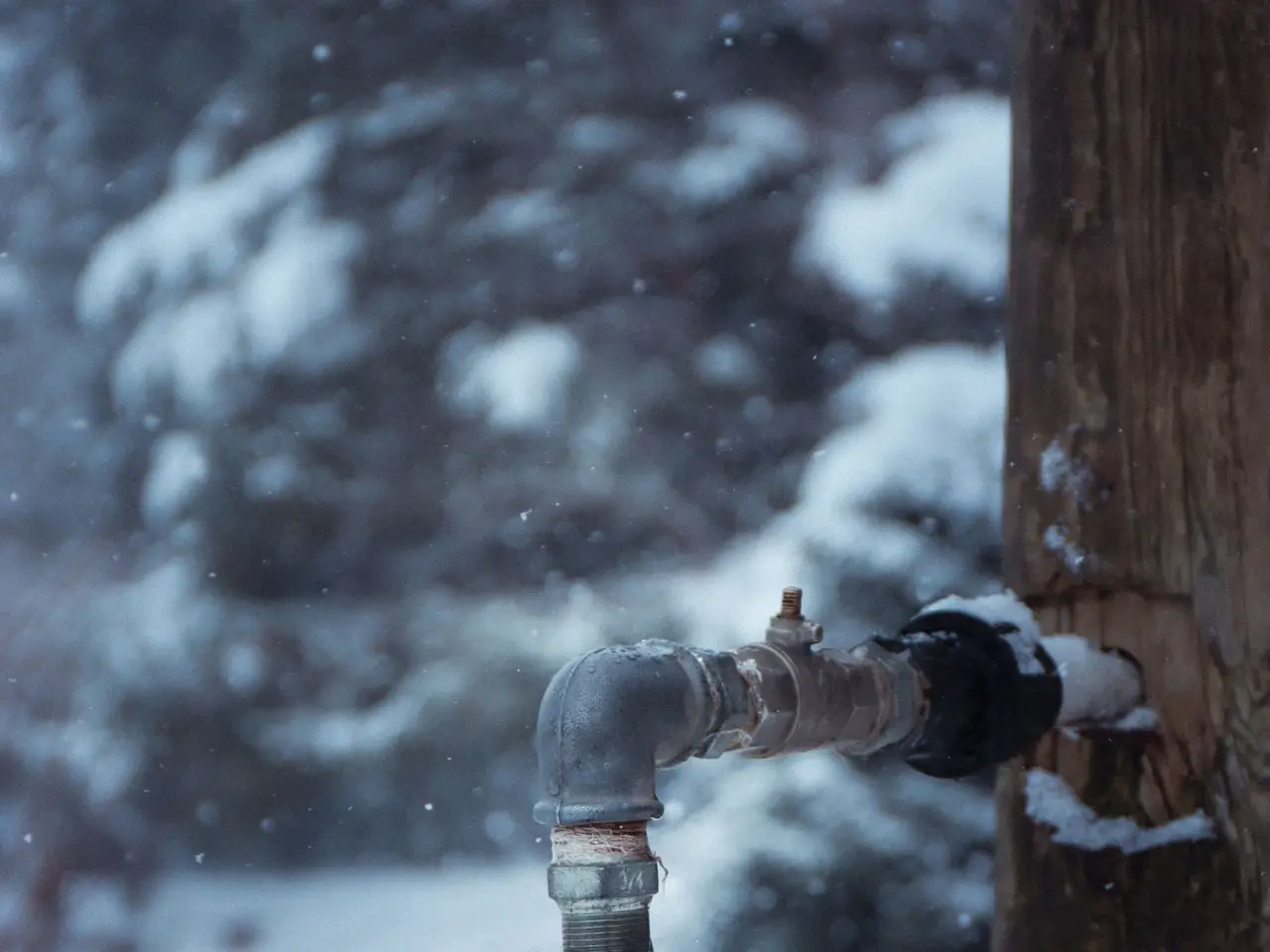
Stop the water
Every minute counts. The main shutoff is usually where the water line enters the house, often in a basement, utility closet, garage, or beside the water heater. If you can't find it, the valve at the meter box by the street also works but may need a meter key.
- Turn the main valve clockwise until it stops (or a quarter turn on a lever valve).
- Turn off the water heater: switch off the breaker for electric, set gas to 'pilot' or 'off'.
- Open the lowest faucet in the house to drain what's left in the pipes.
Stay safe
If water is near outlets, cords or the electrical panel, don't walk through it. Turn off power at the panel only if you can reach it from a dry spot; otherwise call the utility. If a ceiling is sagging with water, keep people out of the room.
Document and call
Photograph the pipe, the water and anything damaged before cleanup. Your insurer will want this. Then call a plumber; see burst pipe repair and emergency plumbing.
Questions
Can I turn the water back on?
Not until the damaged section is repaired or capped. Turning it back on will restart the leak.
Do I need a water damage company too?
If water soaked drywall, flooring or insulation, drying it quickly helps prevent mold. The plumber fixes the pipe; drying is usually separate.
Will homeowners insurance cover burst pipe damage?
Most standard policies cover sudden and accidental water damage resulting from a burst pipe, minus your deductible. The pipe repair itself is often out-of-pocket, but water extraction, drywall repair, and drying are frequently covered.
What should I do if a ceiling is bulging or sagging with water?
Place a large bucket beneath the sag and carefully puncture the center of the blister with a screwdriver or nail to drain the pooling water in a controlled manner before the drywall collapses.
This guide is general information, not professional, legal or insurance advice. Follow your insurer's instructions and local codes, and put safety first.