Short answer
Keep the heat on, let faucets on outside walls drip, open sink cabinets, disconnect garden hoses and insulate pipes in unheated spaces. If a pipe freezes, thaw it gently and never with an open flame.
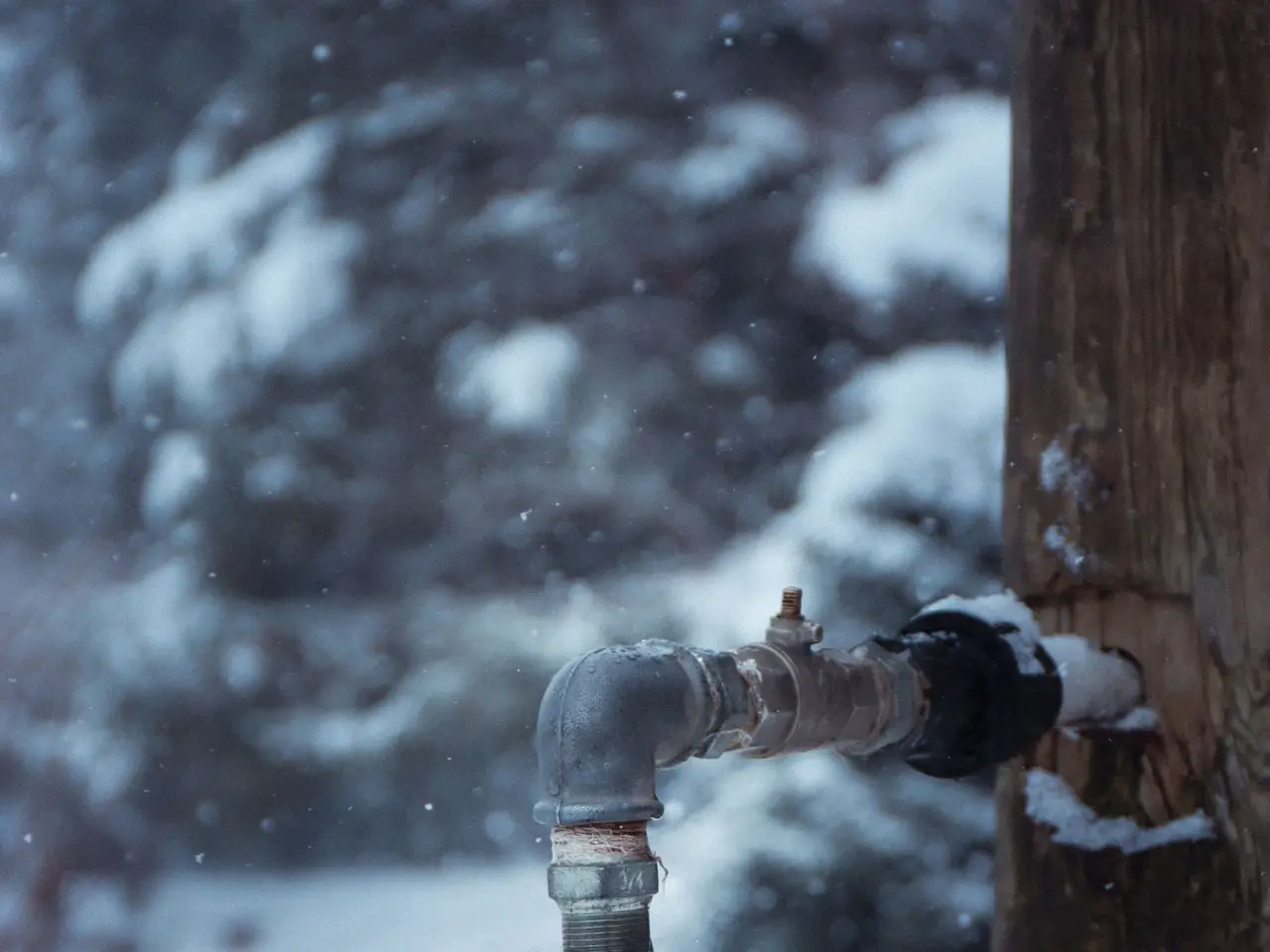
Pipes most at risk
Pipes in exterior walls, crawl spaces, attics, garages and under sinks on outside walls. Homes in warm-winter regions are often more vulnerable, because pipes there are less likely to be insulated or run inside heated space.
Before a hard freeze
- Keep the thermostat steady day and night, including when you're away.
- Let cold and hot taps on outside walls drip slowly.
- Open cabinet doors under sinks on exterior walls.
- Disconnect hoses and shut off and drain outdoor spigots if they have an inside valve.
- Close garage doors if water lines run through the garage.
If a pipe freezes
Leave the faucet open and warm the pipe with a hair dryer, heating pad or warm towels, working back from the faucet. Keep the main shutoff handy in case it splits. See burst pipe repair.
Questions
At what temperature do pipes freeze?
It depends on insulation, wind and how long the cold lasts. Pipes in unheated spaces are at risk whenever temperatures drop well below freezing, especially overnight.
Do heat tapes work?
Listed heat cables can protect exposed pipes when installed per the manufacturer's instructions. Don't wrap them over themselves or use damaged cables.
How much should faucets drip to prevent freezing?
A continuous drip about the thickness of a pencil lead or 5 to 10 steady drops per minute keeps water moving through the supply line and relieves pressure buildup between ice and the faucet.
Why should garden hoses always be disconnected in winter?
A connected garden hose traps water inside the outdoor faucet spout. Even with a frost-free hose bib, the trapped water freezes back into the valve body inside the wall and bursts the pipe.
This guide is general information, not professional, legal or insurance advice. Follow your insurer's instructions and local codes, and put safety first.