Whole-house repiping
Repiping replaces a home's water supply pipes, usually old galvanized steel, polybutylene or corroded copper, with new PEX or copper. It's the fix when leaks keep happening in different places or water pressure and quality keep getting worse.
- Fast callback on emergency requests
- Independent local plumbers that serve your ZIP
- Burst pipes, drains, water heaters and fixtures
- Free to call; the plumber quotes before work starts
Galvanized steel pipes rust from the inside, narrowing until pressure drops and water turns brown. Polybutylene, a gray plastic pipe used from the late 1970s to the mid-1990s, has a history of failing without warning, and some insurers ask about it. Copper can develop pinhole leaks, especially with aggressive water.
A repipe runs new lines through walls and ceilings with small openings, and is usually finished in a few days while you live in the house. If you've had one leak and aren't sure about the rest, start with leak detection.
Repiping at a glance
- What it is
- Repiping replaces a home's water supply pipes, usually old galvanized steel, polybutylene or corroded copper, with new PEX or copper.
- Urgency
- Soon. Start within a day or two.
- Typical steps
- Assess → Quote and permit → Repipe → Test and patch
- Who does it
- An independent, local plumber
Signs
When you need repiping
- Leaks in different places over the past year or two
- Low water pressure throughout the house
- Brown or rusty water, especially first thing in the morning
- Gray polybutylene or galvanized pipe visible at the heater or under sinks
- Green or blue stains and pinhole leaks on copper
Process
What the crew does
- 1
Assess
The plumber identifies the pipe material, checks pressure and plans the new routing.
- 2
Quote and permit
You get a written scope for PEX or copper, and a permit is pulled where required.
- 3
Repipe
New lines are run to every fixture through small openings, often one area at a time.
- 4
Test and patch
The system is pressure tested and inspected; wall openings are patched or left for your drywall contractor.
Timeline
How long repiping typically takes
Service duration varies with job scope, but visits typically proceed across three structured stages from initial diagnosis to completion.
Stage 1 · Arrival & Diagnosis
30 to 60 minutes
System isolation, electronic diagnostic or acoustic inspection, and presenting written repair options.
Stage 2 · Active Repair
2 to 4 days
Replacing defective pipe runs, installing new fixtures or components, and rebuilding fittings.
Stage 3 · Testing & Sign-off
20 to 30 minutes
Full system repressurization, leak check under working pressure, cleanup, and warranty walkthrough.
Before and after
What the result can look like
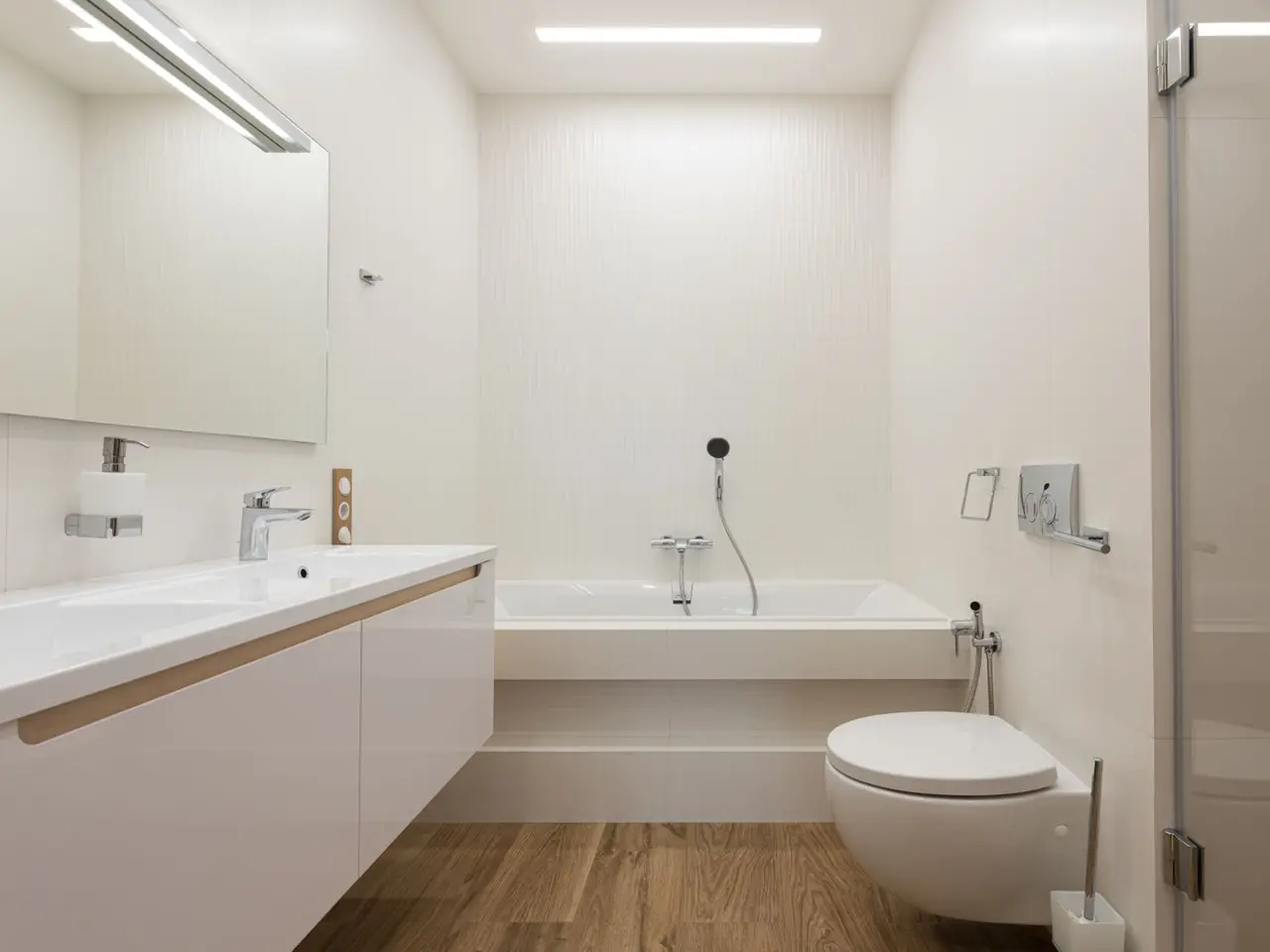
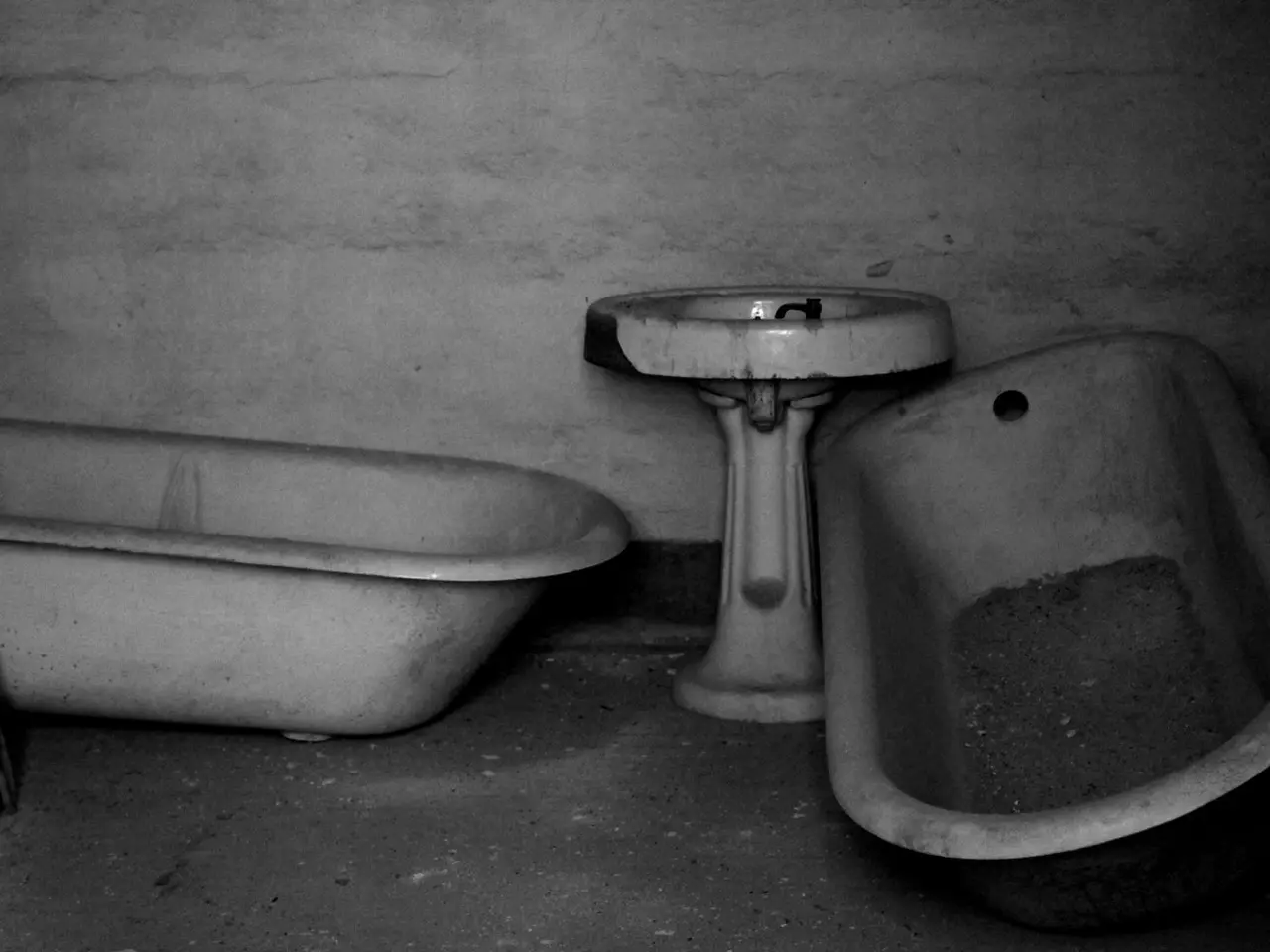
Bathroom repipe
Old supply and drain lines replaced, then new fixtures set and tested.
Illustrative example using stock photos, not a job by a contractor in our network.
Cost
What affects the price
Every job is scoped on site. These are the factors that move the number.
- Home size, number of bathrooms and number of fixtures
- PEX versus copper
- Access: basement or crawl space versus slab and attic routing
- Permits and inspection
- Drywall patching and painting
Before the crew arrives
What you can do, and when to stop
Safe to do
- Look at the pipes near the water heater and main shutoff to identify the material
- Check water pressure with a gauge on an outdoor spigot
- Keep a record of past leaks and where they were
Stop and call if
- Leaks keep happening in new places
- Water is discolored
- You have polybutylene pipe
FAQ
Repiping questions
What is whole-house repiping?
Whole-house repiping is the complete replacement of a home's entire domestic water supply pipe system—including hot and cold distribution lines, riser pipes, and fixture shutoffs—with modern PEX or copper piping.
When is whole-house repiping necessary?
Repiping is necessary when homes have corroded galvanized steel pipes causing rusty water and low flow, defective polybutylene piping prone to sudden failure, or aging copper experiencing repeated pinhole slab leaks.
What warning signs indicate a home's plumbing needs whole-house repiping?
Signs include rusty or yellow water coming from taps first thing in the morning, widespread low water pressure when multiple fixtures run, multiple supply leaks in different areas within a year or two, and insurance cancellation warnings due to pipe age.
How does a whole-house repipe work while living in the home?
Plumbers map new pipe routes through attics, crawl spaces, and small interior drywall incisions. They install the new PEX or copper lines alongside existing pipes, transfer fixtures to the new system, pressure-test the installation, and only shut off water for brief scheduled windows during workdays.
What drives the cost of a whole-house repipe?
Cost drivers include home square footage, number of stories, number of bathrooms and fixtures, foundation type (accessible crawl space/basement versus concrete slab-on-grade), chosen material (PEX-A versus copper), and drywall repair.
How long does a whole-house repiping project take?
A standard single-family home repipe typically takes 2 to 4 days for pipe installation and pressure testing, followed by 1 to 2 days for city building inspection and professional drywall patching and texturing.
What should homeowners do to prepare before repiping begins?
Clear access pathways to under-sink cabinets, closets with plumbing walls, water heaters, and attic or crawl space access hatches. Protect nearby furniture and electronics with plastic sheeting, and set aside drinking water for daytime shutoff periods.
How is water service managed for residents during repiping?
Plumbers keep your existing water supply connected and active overnight. Water is only shut off during working hours when lines are being connected, meaning you have running water and functioning bathrooms every evening.
What are the trade-offs between PEX and copper for repiping?
PEX (cross-linked polyethylene) is flexible, requires fewer joints, resists scale and freeze-bursting, installs faster with lower material cost, and eliminates water hammer. Copper is rigid, UV-resistant, biostatic, and has a 50+ year track record, but costs significantly more and is vulnerable to acidic water pitting.
What should I verify before contracting a whole-house repipe?
Confirm the contractor is a licensed master plumber, verify that municipal building permits and inspections are included in the written scope, ensure a transferable lifetime or multi-decade pipe warranty is provided, and clarify whether drywall patching is included.
Available in 51 states
Related
Related services
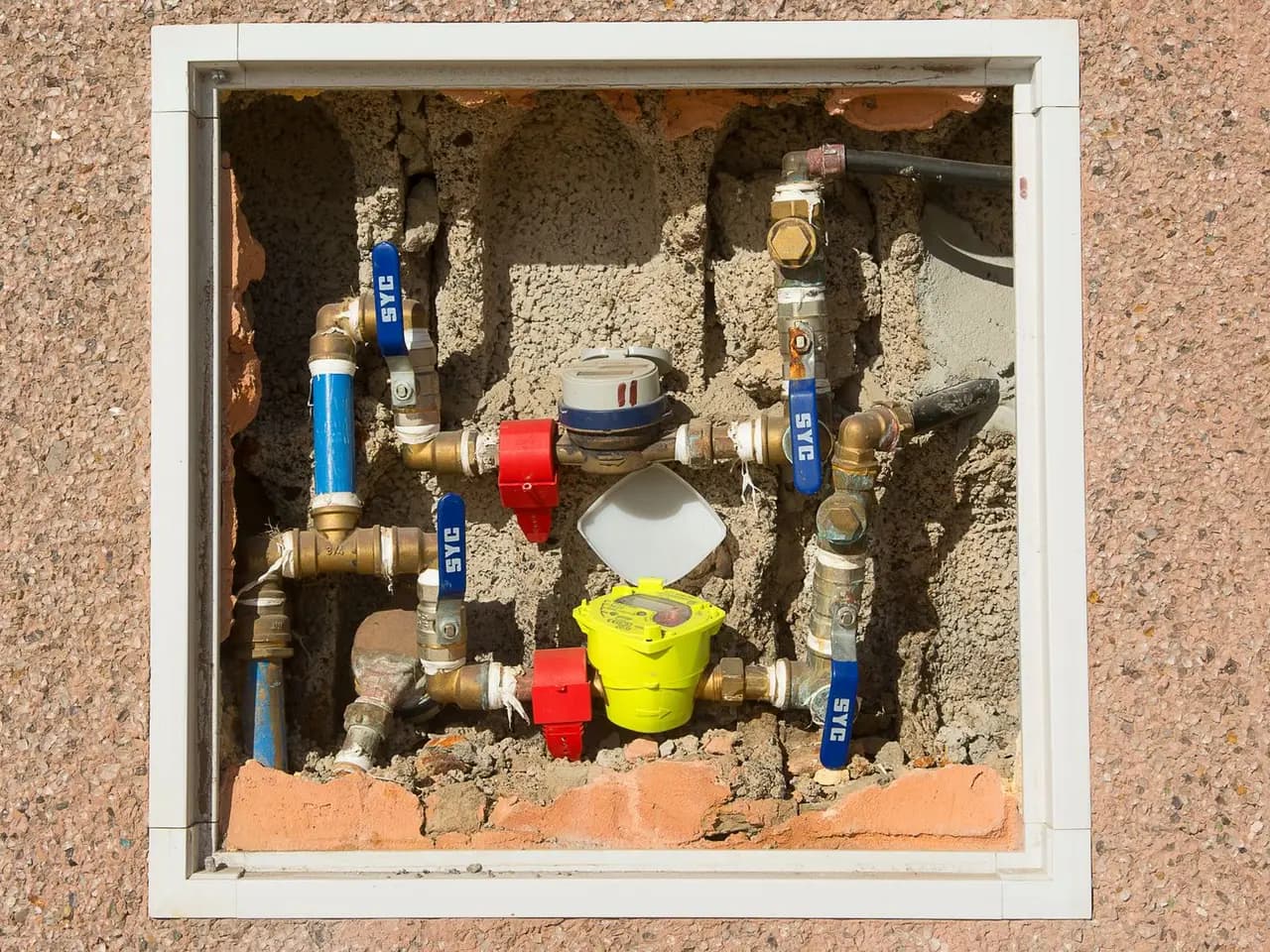
Leak Detection
Leak detection finds water escaping inside walls, ceilings, underground or under a concrete slab.
Learn more
Burst Pipe Repair
A burst pipe needs the water shut off right away, then a plumber cuts out the damaged section and replaces it.
Learn more
Faucet and Fixture Repair
Fixture repair covers dripping faucets, leaking shower valves, low water pressure at a fixture, leaks under sinks and garbage disposals.
Learn moreGuides
Read next
Pipe burst, drain backed up or no hot water?
Shut off the water if you can, then call. We'll connect you with a local plumber that serves your ZIP.
Fast callback on emergency requests