Tankless water heater installation
A tankless water heater heats water as it flows, so it doesn't run out and takes up little space. It costs more to install than a tank, often needs a larger gas line or electrical service, and has to be sized to your peak hot water use.
- Fast callback on emergency requests
- Independent local plumbers that serve your ZIP
- Burst pipes, drains, water heaters and fixtures
- Free to call; the plumber quotes before work starts
Tankless units are sized by flow rate (gallons per minute) and temperature rise. In cold-water regions the incoming water is colder, so the same unit delivers less hot water than it would in the South. A plumber sizes it to the number of fixtures you run at once.
Switching from a tank often means a new venting route, a bigger gas line or a dedicated electrical circuit, and in many areas a permit. If a standard tank makes more sense for your home, the same plumber can replace it like for like. For problems with an existing unit, see water heater repair.
Tankless Water Heaters at a glance
- What it is
- A tankless water heater heats water as it flows, so it doesn't run out and takes up little space.
- Urgency
- Soon. Start within a day or two.
- Typical steps
- Size the unit → Quote options → Install → Test and walk through
- Who does it
- An independent, local plumber
Signs
When you need tankless water heaters
- Your tank heater is 10 or more years old
- Hot water runs out during showers or laundry
- The tank is leaking or rusty
- You need the floor space a tank takes up
- You're remodeling and adding bathrooms
Process
What the crew does
- 1
Size the unit
Peak hot water demand, incoming water temperature and gas or electrical capacity are checked.
- 2
Quote options
You get a written quote comparing tank and tankless, including venting, gas line and permit costs.
- 3
Install
The old heater is removed and the new unit installed with venting, shutoffs and required safety devices.
- 4
Test and walk through
Flow, temperature and venting are tested, and you're shown the maintenance the unit needs.
Timeline
How long tankless water heaters typically takes
Service duration varies with job scope, but visits typically proceed across three structured stages from initial diagnosis to completion.
Stage 1 · Arrival & Diagnosis
30 to 60 minutes
System isolation, electronic diagnostic or acoustic inspection, and presenting written repair options.
Stage 2 · Active Repair
1 to 4 hours
Replacing defective pipe runs, installing new fixtures or components, and rebuilding fittings.
Stage 3 · Testing & Sign-off
20 to 30 minutes
Full system repressurization, leak check under working pressure, cleanup, and warranty walkthrough.
Cost
What affects the price
Every job is scoped on site. These are the factors that move the number.
- Tank versus tankless, and gas versus electric
- Gas line or electrical service upgrades
- New venting, or converting from a chimney vent
- Permits and inspection
- Water softener or treatment in hard-water areas
Before the crew arrives
What you can do, and when to stop
Safe to do
- Note your current heater's size, fuel and age (on the label)
- Count how many showers and appliances run at once at peak times
- Check whether your area has utility rebates for efficient units
Stop and call if
- Gas, venting and electrical connections are licensed work in most places
- Any gas smell or soot
FAQ
Tankless Water Heaters questions
How does a tankless water heater work compared to a tank unit?
Tankless water heaters heat water on demand using high-output gas burners or electric heating elements as water flows through a copper or stainless steel heat exchanger, eliminating standby energy losses and providing endless hot water.
When should a homeowner consider switching to tankless?
Switch when your current tank is nearing the end of its life, when household hot water demands exceed tank capacity (such as back-to-back showers or filling soaking tubs), or when you want to reclaim storage space in a utility closet or garage.
What signs indicate that an existing tankless water heater needs maintenance or repair?
Warning signs include error codes on the digital interface, fluctuating water temperatures ('cold water sandwich' effect), declining flow rate, or mineral buildup alerts indicating heat exchanger scale.
How is a tankless water heater properly sized for a home?
Plumbers calculate peak simultaneous flow rate (gallons per minute, GPM) required by all fixtures running at once, and determine the temperature rise needed between incoming groundwater and target delivery temperature (usually 120°F).
What factors determine the cost of tankless installation?
Costs depend on required gas line upsizing (tankless units require 150,000 to 199,000 BTU input), dedicated Category III or IV direct-vent routing through exterior walls, electrical circuit additions, and local building permits.
How long does a tankless water heater installation take?
A standard like-for-like replacement of an existing tankless unit takes 3 to 5 hours. A conversion from an old storage tank to a new tankless system typically takes 1 full day (6 to 8 hours) due to new gas, venting, and mounting requirements.
What should I do before the plumber arrives for a tankless estimate?
Note the fuel source (natural gas, propane, or electric), locate your gas meter to check its capacity rating, count the maximum number of simultaneous showers and hot water appliances used in your home, and identify potential exterior wall mounting locations.
What maintenance does a tankless water heater require?
Tankless units require annual descaling and flushing with food-grade vinegar or specialized descaling solution to remove calcium and lime scale from the heat exchanger, along with cleaning the cold water inlet filter screen.
What are the trade-offs between tankless and high-efficiency tank water heaters?
Tankless units have a 20+ year expected lifespan, continuous hot water, and space-saving wall mounts, but higher initial installation costs. High-efficiency tank units have lower upfront costs and simpler venting, but take up floor space and have a 10 to 12 year lifespan.
What credentials should a tankless installation plumber have?
Ensure the installer is a licensed plumbing contractor certified by major tankless manufacturers, experienced in gas load calculations and venting codes, and pulls required municipal permits and inspections.
Available in 51 states
Related
Related services
Water Heater Repair
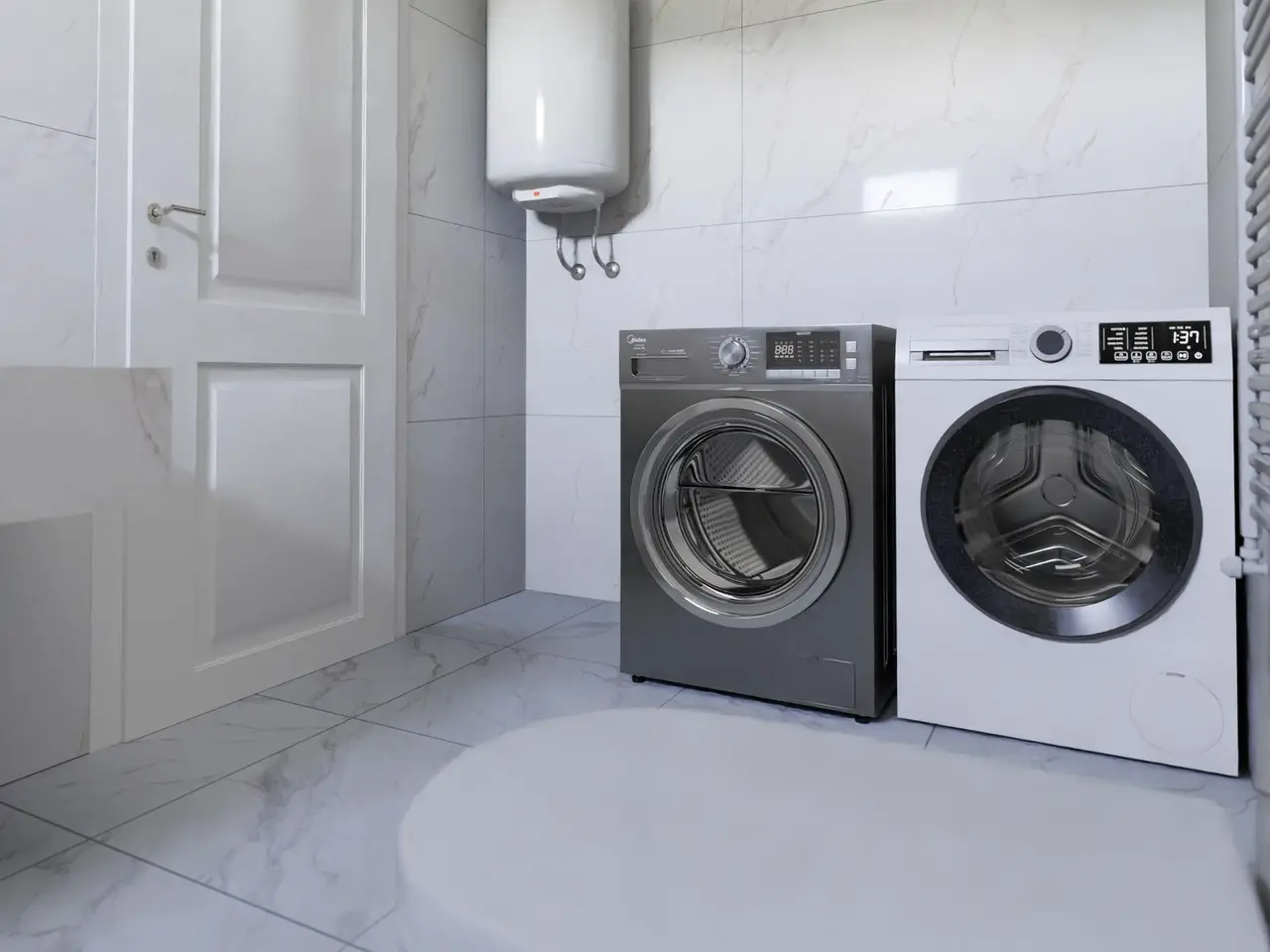
Water heater repair covers no hot water, lukewarm water, strange noises and leaks.
Learn more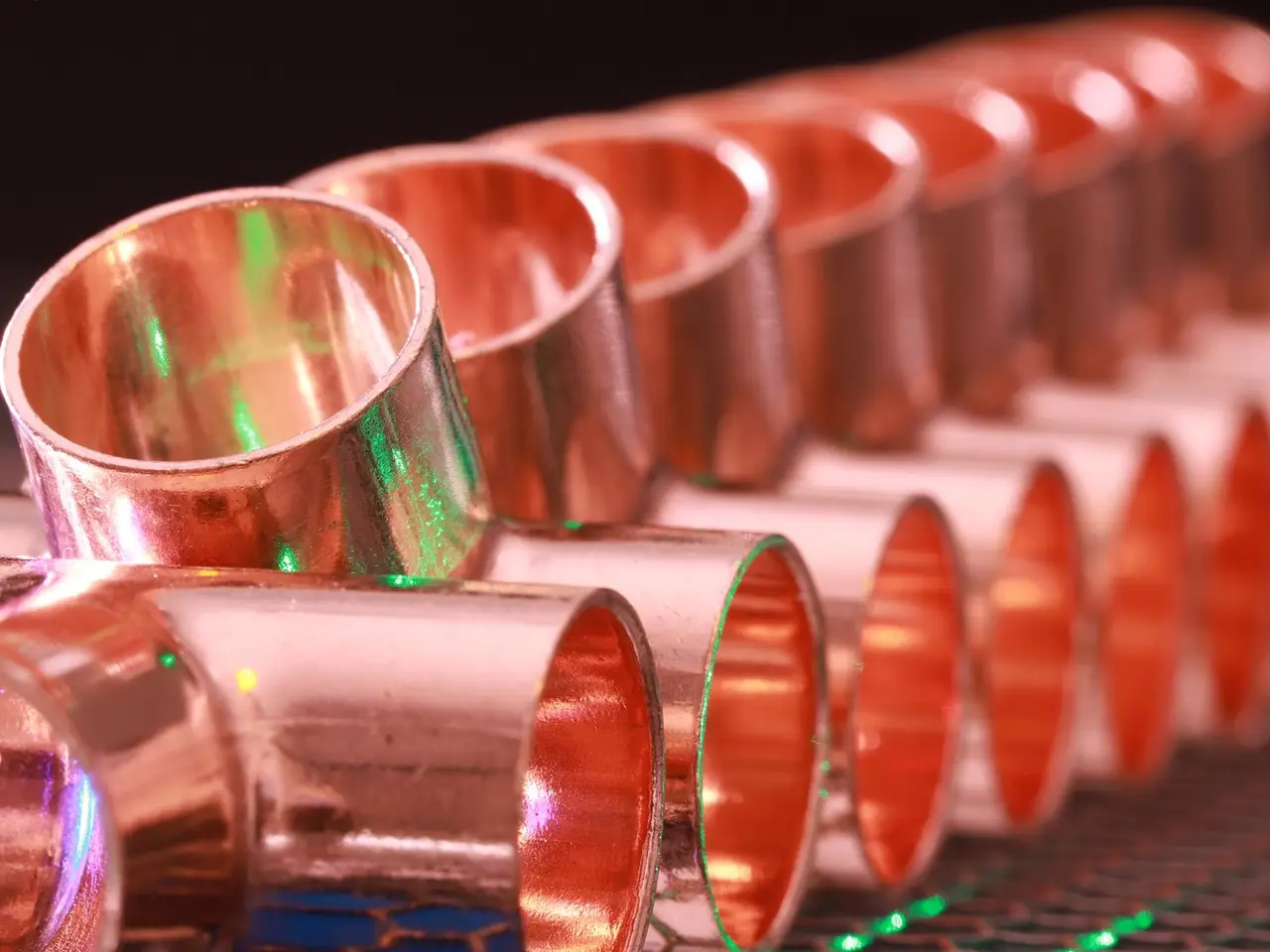
Repiping
Repiping replaces a home's water supply pipes, usually old galvanized steel, polybutylene or corroded copper, with new PEX or copper.
Learn more
Faucet and Fixture Repair
Fixture repair covers dripping faucets, leaking shower valves, low water pressure at a fixture, leaks under sinks and garbage disposals.
Learn moreGuides
Read next
Pipe burst, drain backed up or no hot water?
Shut off the water if you can, then call. We'll connect you with a local plumber that serves your ZIP.
Fast callback on emergency requests