Toilet repair
Most toilet problems come from a worn flapper, a faulty fill valve, a failed wax ring or a clog. They're usually quick repairs; a cracked bowl or tank needs a replacement toilet.
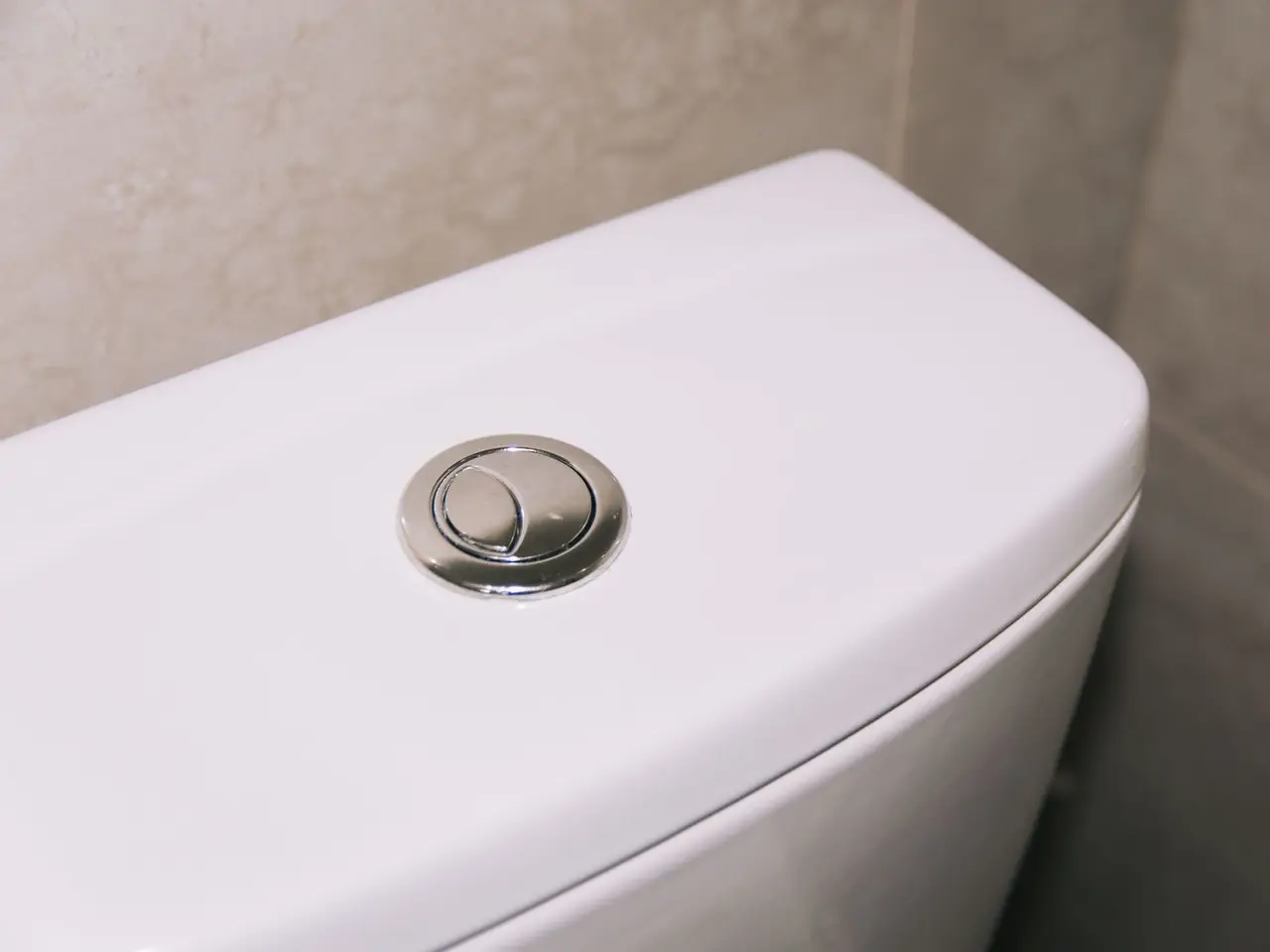
- Fast callback on emergency requests
- Independent local plumbers that serve your ZIP
- Burst pipes, drains, water heaters and fixtures
- Free to call; the plumber quotes before work starts
A running toilet is usually the flapper or the fill valve, and it can waste a lot of water. Water around the base usually means the wax ring has failed, which can quietly rot the subfloor. A toilet that rocks needs to be reset before the seal fails.
If the toilet gurgles when other fixtures drain, or clogs keep coming back, the problem may be in the main line; see drain cleaning.
Toilet Repair at a glance
- What it is
- Most toilet problems come from a worn flapper, a faulty fill valve, a failed wax ring or a clog.
- Urgency
- Soon. Start within a day or two.
- Typical steps
- Diagnose → Repair → Check the floor → Replace if needed
- Who does it
- An independent, local plumber
Signs
When you need toilet repair
- The toilet runs or refills on its own
- Water around the base
- The toilet rocks or feels loose
- Weak or incomplete flushes
- Frequent clogs
Process
What the crew does
- 1
Diagnose
The plumber checks the tank parts, the seal at the floor and the drain.
- 2
Repair
Flappers, fill valves and flush valves are replaced, or the toilet is pulled and reset on a new wax ring.
- 3
Check the floor
If it's been leaking, the flange and subfloor are checked for damage.
- 4
Replace if needed
A cracked toilet is replaced, often with a water-saving model.
Timeline
How long toilet repair typically takes
Service duration varies with job scope, but visits typically proceed across three structured stages from initial diagnosis to completion.
Stage 1 · Arrival & Diagnosis
30 to 60 minutes
System isolation, electronic diagnostic or acoustic inspection, and presenting written repair options.
Stage 2 · Active Repair
1 to 4 hours
Replacing defective pipe runs, installing new fixtures or components, and rebuilding fittings.
Stage 3 · Testing & Sign-off
20 to 30 minutes
Full system repressurization, leak check under working pressure, cleanup, and warranty walkthrough.
Before and after
What the result can look like
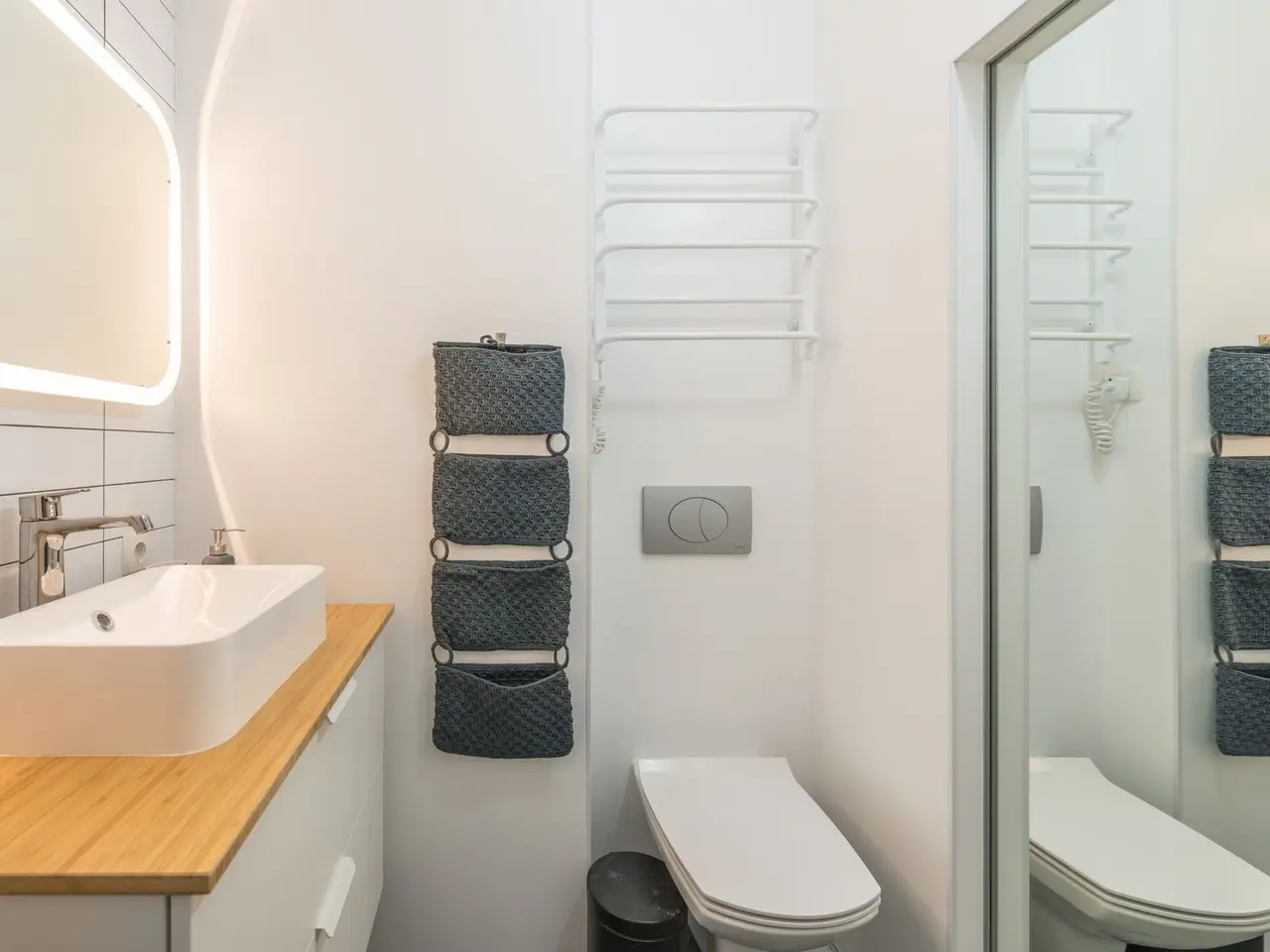
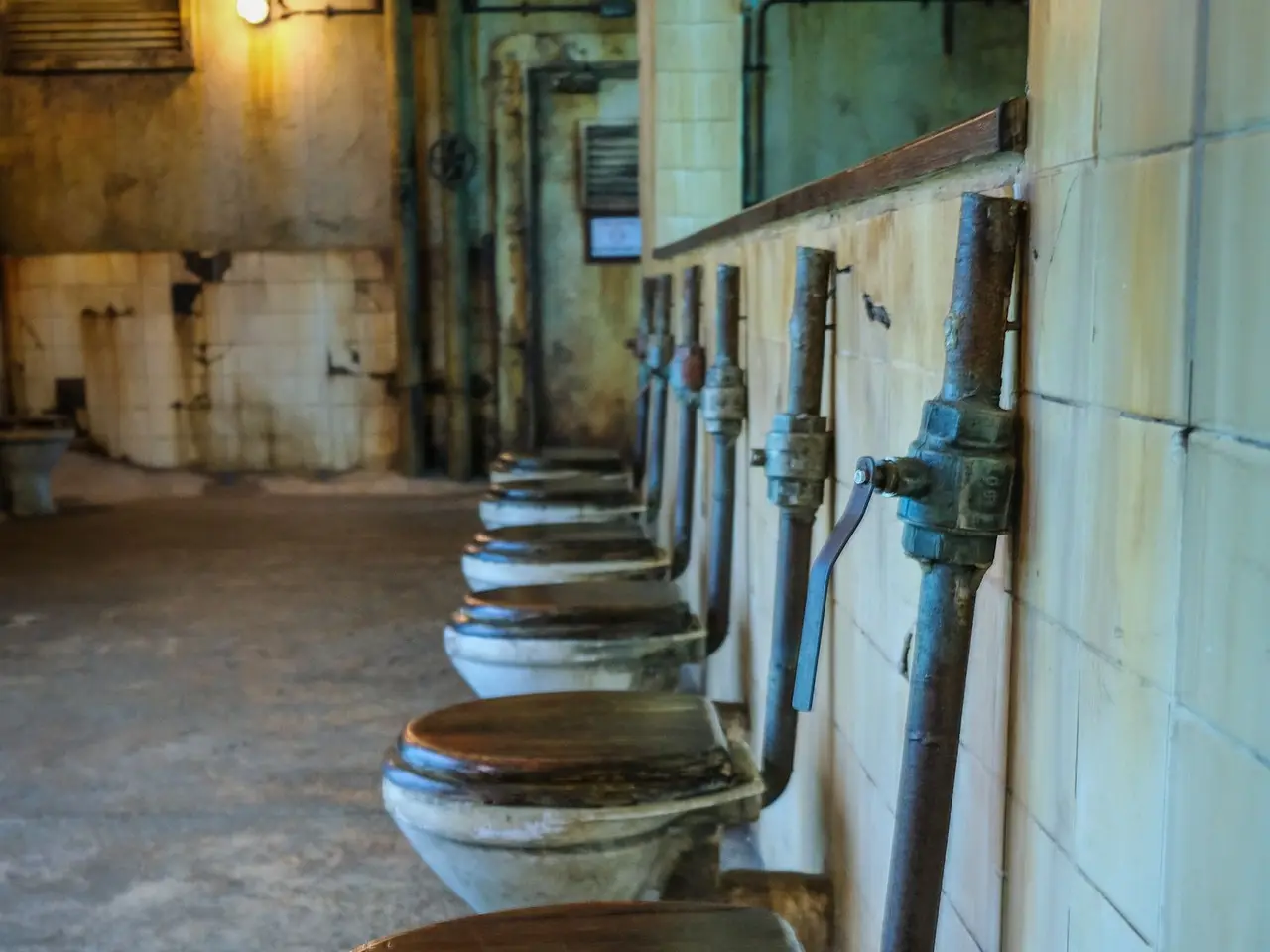
Toilet replacement
Leaking, worn toilet pulled, flange checked, and a water-saving toilet set on a new seal.
Illustrative example using stock photos, not a job by a contractor in our network.
Cost
What affects the price
Every job is scoped on site. These are the factors that move the number.
- Tank part repair versus pulling and resetting the toilet
- Broken flange or subfloor damage
- Replacement toilet style and features
- Clogs that extend into the drain line
Before the crew arrives
What you can do, and when to stop
Safe to do
- Use a flange plunger for clogs
- Turn the shutoff valve behind the toilet to stop a running or overflowing toilet
- Replace a flapper if you're comfortable with it
- Add food coloring to the tank to check for a silent leak
Stop and call if
- Water is leaking at the base
- The bowl or tank is cracked
- Other drains back up when you flush
- The floor around the toilet is soft
FAQ
Toilet Repair questions
What common toilet problems can be repaired?
Common repairs include fixing continuously running water, weak or incomplete flushes, noisy refill cycles, leaking shutoff valves or supply hoses, loose rocking bowls, and failed wax seals leaking at the base.
When does a toilet need replacement instead of repair?
A toilet must be replaced if porcelain bowls or tanks develop hairline cracks, if the internal siphon jet is permanently clogged with mineral scale, or if you want to upgrade to a high-efficiency WaterSense model.
What are the warning signs of a failing toilet wax seal?
Signs include moisture or discoloration around the floor caulking at the toilet base, a toilet bowl that shifts or rocks when sat upon, a persistent sewer gas odor in the bathroom, or water staining on the ceiling directly below.
How does a professional toilet repair or replacement work?
The plumber inspects internal tank hardware, evaluates bowl stability, shuts off water, drains the bowl, and replaces worn components (flappers, fill valves, or handles). For base leaks, they unbolt the fixture, inspect the closet flange, install a new wax ring with horn, and reset and bolt the toilet.
What factors influence the cost of toilet repair?
Pricing depends on whether the repair is confined to internal tank mechanics versus pulling the entire toilet to rebuild a broken cast iron or PVC closet flange, repairing rotted subflooring, or supplying a new two-piece or one-piece fixture.
How long does a toilet repair take?
Replacing internal tank components (fill valve, flapper, supply line) typically takes 30 to 45 minutes. Pulling, replacing the wax seal, repairing the flange, and resetting the toilet typically takes 1 to 2 hours.
What should I do if a toilet starts overflowing?
Immediately remove the tank lid, push down the flapper over the flush valve opening to seal the tank, or reach behind the toilet and turn the angle stop shutoff valve clockwise until water flow ceases.
Can a running toilet significantly impact my water bill?
Yes. A leaking flapper or malfunctioning fill valve can silently waste 200 to 1,000 gallons of water per day, resulting in dozens or even hundreds of dollars in excess municipal water and sewer charges every month.
What is the difference between standard wax rings and rubber or foam toilet seals?
Traditional wax rings provide a time-tested, airtight seal that compresses once upon installation. Synthetic foam or rubber seals are reusable, less messy, and accommodate minor floor deflection or heated tile floors without melting.
What should I check before hiring a plumber for toilet service?
Ensure the plumber quotes a flat diagnostic or repair price upfront, verifies that closet bolts and supply lines are included in resetting quotes, and inspects the subfloor for moisture damage if base leaks occurred.
Available in 51 states
Related
Related services
Drain Cleaning
Drain cleaning clears clogs from sinks, tubs, showers, toilets and the main line with a drain snake (auger) or high-pressure water jetting.
Learn more
Faucet and Fixture Repair
Fixture repair covers dripping faucets, leaking shower valves, low water pressure at a fixture, leaks under sinks and garbage disposals.
Learn more
Leak Detection
Leak detection finds water escaping inside walls, ceilings, underground or under a concrete slab.
Learn morePipe burst, drain backed up or no hot water?
Shut off the water if you can, then call. We'll connect you with a local plumber that serves your ZIP.
Fast callback on emergency requests