Plumbing Repair & Diagnostics in Chapel Hill, NC
Chapel Hill homeowners and property managers encounter distinctive plumbing challenges shaped by Orange County's local soil conditions, regional weather variations, and community housing infrastructure. Whether addressing high water pressure spikes, seasonal temperature extremes, or aging sewer laterals in established neighborhoods, having prompt access to a verified local plumbing specialist is essential for preventing catastrophic water damage across Chapel Hill.
- Fast callback on emergency requests
- Orange County · 5 ZIP codes
Regional Climate & Infrastructure
Local Plumbing Stress Factors in Chapel Hill
Residential properties across Chapel Hill and surrounding Orange County include a diverse cross-section of architecture: Suburban slab-on-grade homes, raised cottages, and crawl-space properties with mature pines and oaks. Polybutylene piping prevalent in 1980s–1990s subdivisions. Local geological factors such as Red clay soil, humid coastal sands, and high groundwater tables. continuously impact underground water supply laterals and sewer lines, while Moderate to high mineral content; groundwater warms up during long humid summers. Accelerating sediment buildup inside water heating tanks and fixture valves makes proactive maintenance vital for local homes.
Polybutylene Line Failure in Chapel Hill
Subdivisions constructed between 1978 and 1995 frequently contain gray polybutylene pipes prone to sudden micro-fractures at acetal fittings. Homeowners throughout Orange County are encouraged to perform regular seasonal inspections to identify slow leaks or structural stress before major pipe failures develop.
Red Clay Lateral Stress in Chapel Hill
Dense red clay contracts during summer heatwaves and swells during torrential thunderstorms, shearing underground PVC connections. Homeowners throughout Orange County are encouraged to perform regular seasonal inspections to identify slow leaks or structural stress before major pipe failures develop.
Root Intrusion in Humid Climates in Chapel Hill
Fast-growing willow, oak, and pine roots aggressively seek moisture within older clay drain lines. Homeowners throughout Orange County are encouraged to perform regular seasonal inspections to identify slow leaks or structural stress before major pipe failures develop.
Crawl Space Vapor & Hidden Leaks in Chapel Hill
High ambient humidity masks slow under-floor pinhole leaks until structural subflooring begins to rot. Homeowners throughout Orange County are encouraged to perform regular seasonal inspections to identify slow leaks or structural stress before major pipe failures develop.
Field Services
Most Requested Plumbing Work in Chapel Hill
Repiping
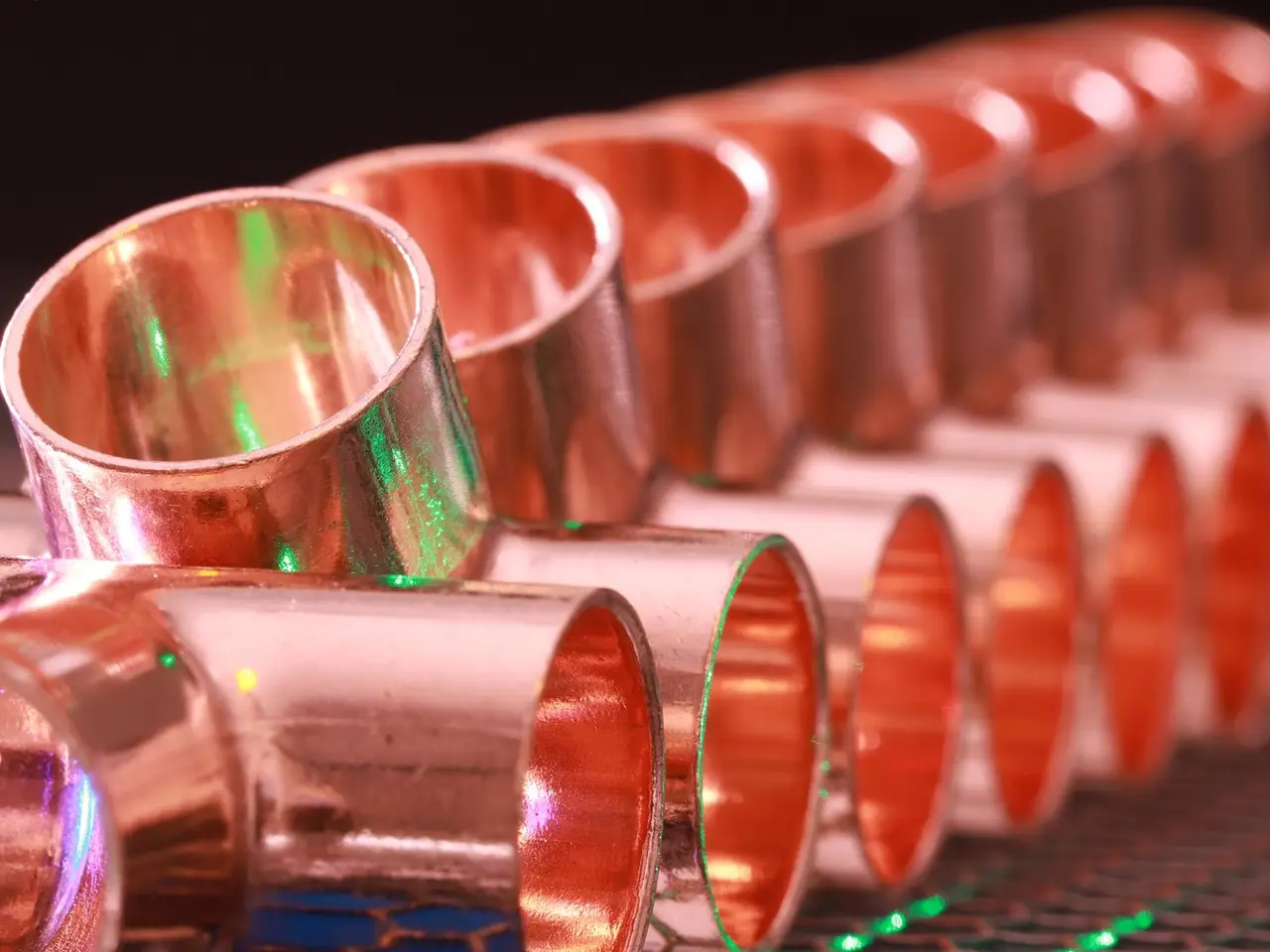
Repiping replaces a home's water supply pipes, usually old galvanized steel, polybutylene or corroded copper, with new PEX or copper.
Learn more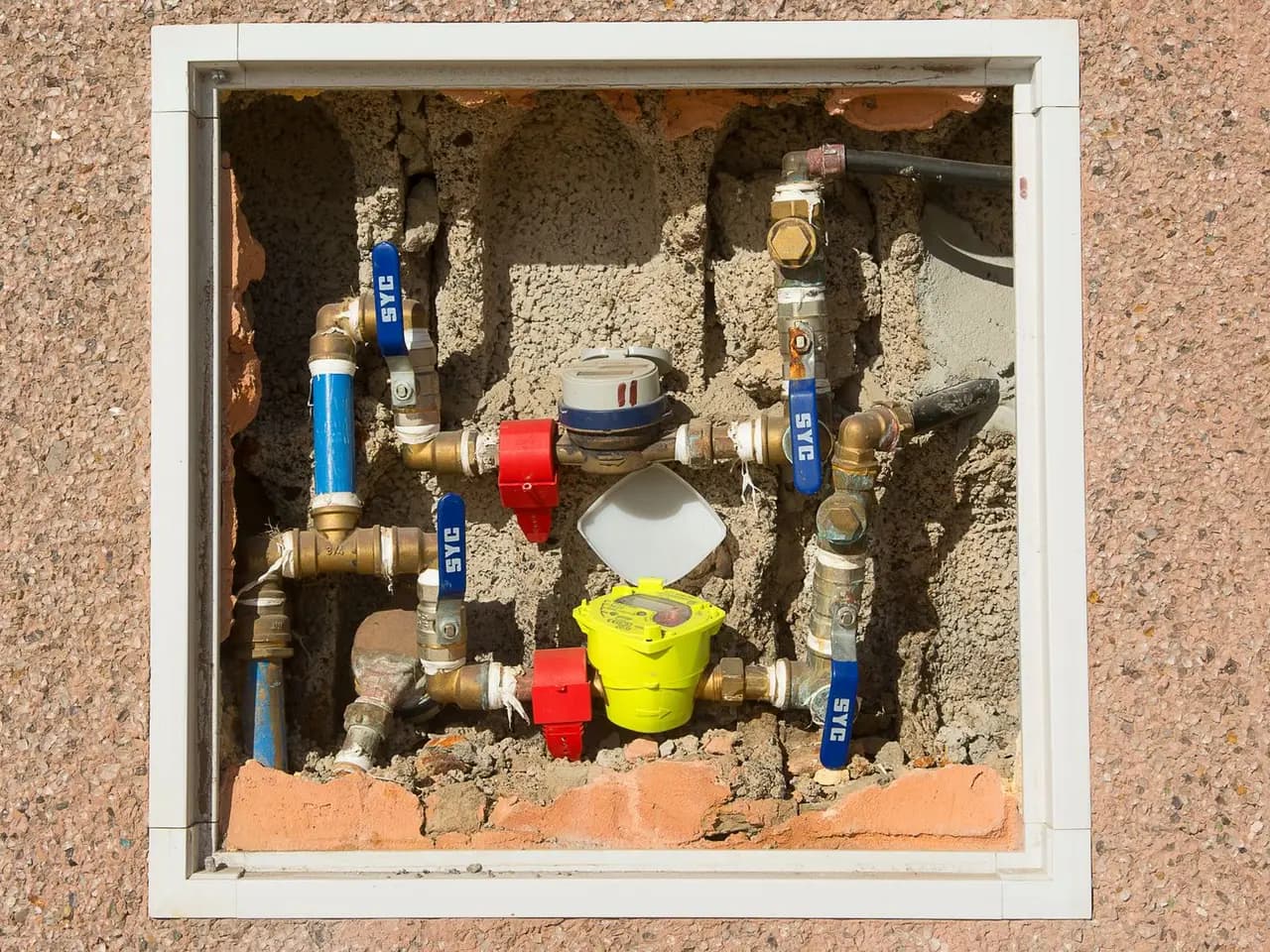
Leak Detection
Leak detection finds water escaping inside walls, ceilings, underground or under a concrete slab.
Learn more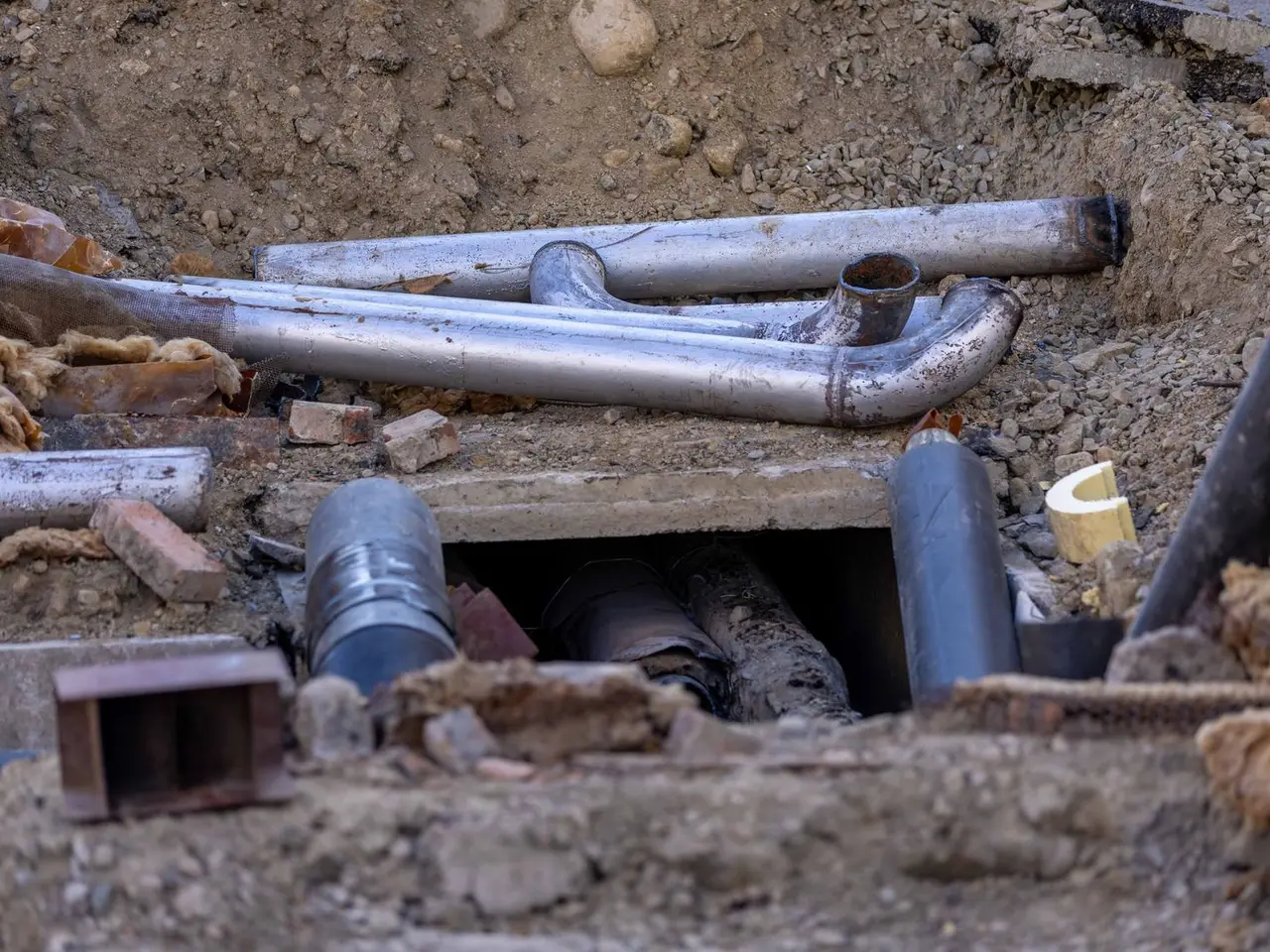
Sewer Line Repair
Sewer line repair fixes the pipe that carries waste from your house to the city sewer or septic tank.
Learn more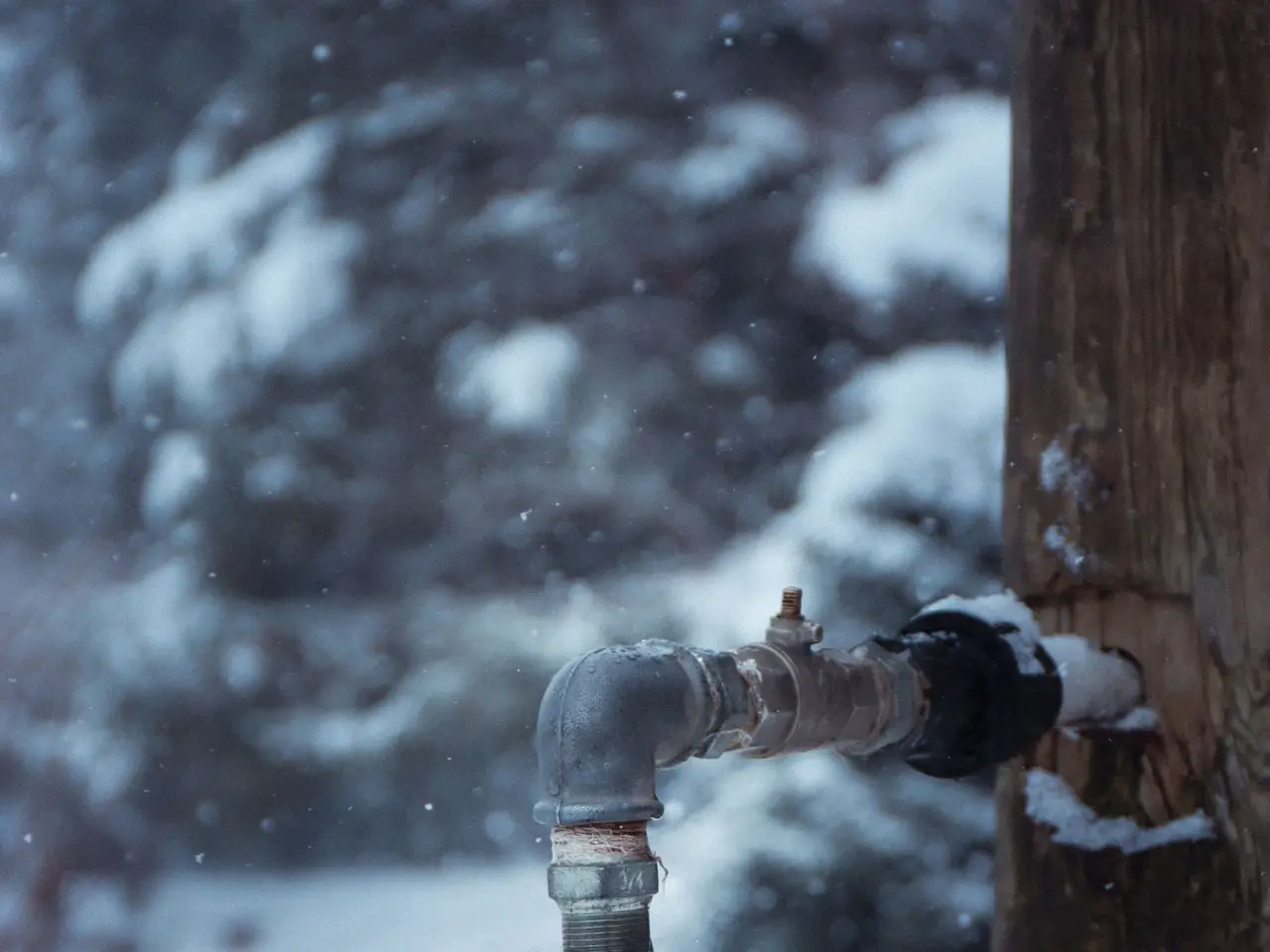
Burst Pipe Repair
A burst pipe needs the water shut off right away, then a plumber cuts out the damaged section and replaces it.
Learn moreChapel Hill Quick Facts
- County Jurisdiction
- Orange County, North Carolina
- ZIP Codes Covered
- 27514, 27515, 27516, 27517, 27599
- Common Diagnostic Calls
- Polybutylene Line Failure in Chapel Hill, Red Clay Lateral Stress in Chapel Hill, Root Intrusion in Humid Climates in Chapel Hill, Crawl Space Vapor & Hidden Leaks in Chapel Hill
- Licensing Authority
- Refer to North Carolina state licensing department
FAQ
Chapel Hill Plumbing Questions
How quickly can an emergency plumber respond to a call in Chapel Hill?
In Chapel Hill and across Orange County, emergency dispatch routing connects callers directly with nearby on-call licensed plumbers. Typical emergency arrival times range from 45 to 90 minutes depending on active traffic conditions, time of day, and geographic distance.
Do plumbing repairs in Chapel Hill require a municipal building permit?
Major plumbing alterations in Chapel Hill—including water heater replacements, whole-house repiping, gas line modifications, and main sewer lateral excavation—typically require permits and post-installation inspections under Orange County and state building codes. Qualified contractors handle all permitting paperwork directly.
What is the most frequent cause of residential sewer backups in Chapel Hill?
Across Chapel Hill, root intrusion from mature landscaping combined with grease accumulation and shifting Orange County soil ranks as the leading cause of main line sewer blockages. High-definition camera diagnostics accurately identify whether hydro-jetting or trenchless pipe relining is required.
How can Chapel Hill homeowners protect their water heaters from regional water quality damage?
Because regional water supplies carry dissolved mineral hardness, flushing water heater storage tanks annually and regularly checking sacrificial anode rods prevents sediment buildup, noisy tank operation, and premature bottom-tank rust-through in Chapel Hill.
What should I do immediately if a pipe bursts in my Chapel Hill home?
Immediately locate and close your property's main water shutoff valve (usually situated near the water meter or where the main line enters the foundation). Turn off electricity at the main breaker if water is near electrical outlets, and call our emergency dispatch line for immediate contractor connection.
Emergency Self-Help Guides
Also Covered in Orange County
Carrboro · Hillsborough · Efland
Need Immediate Plumbing Assistance in Chapel Hill?
Shut off the water if you can, then call. We'll connect you with a local plumber that serves your ZIP.
Fast callback on emergency requests